

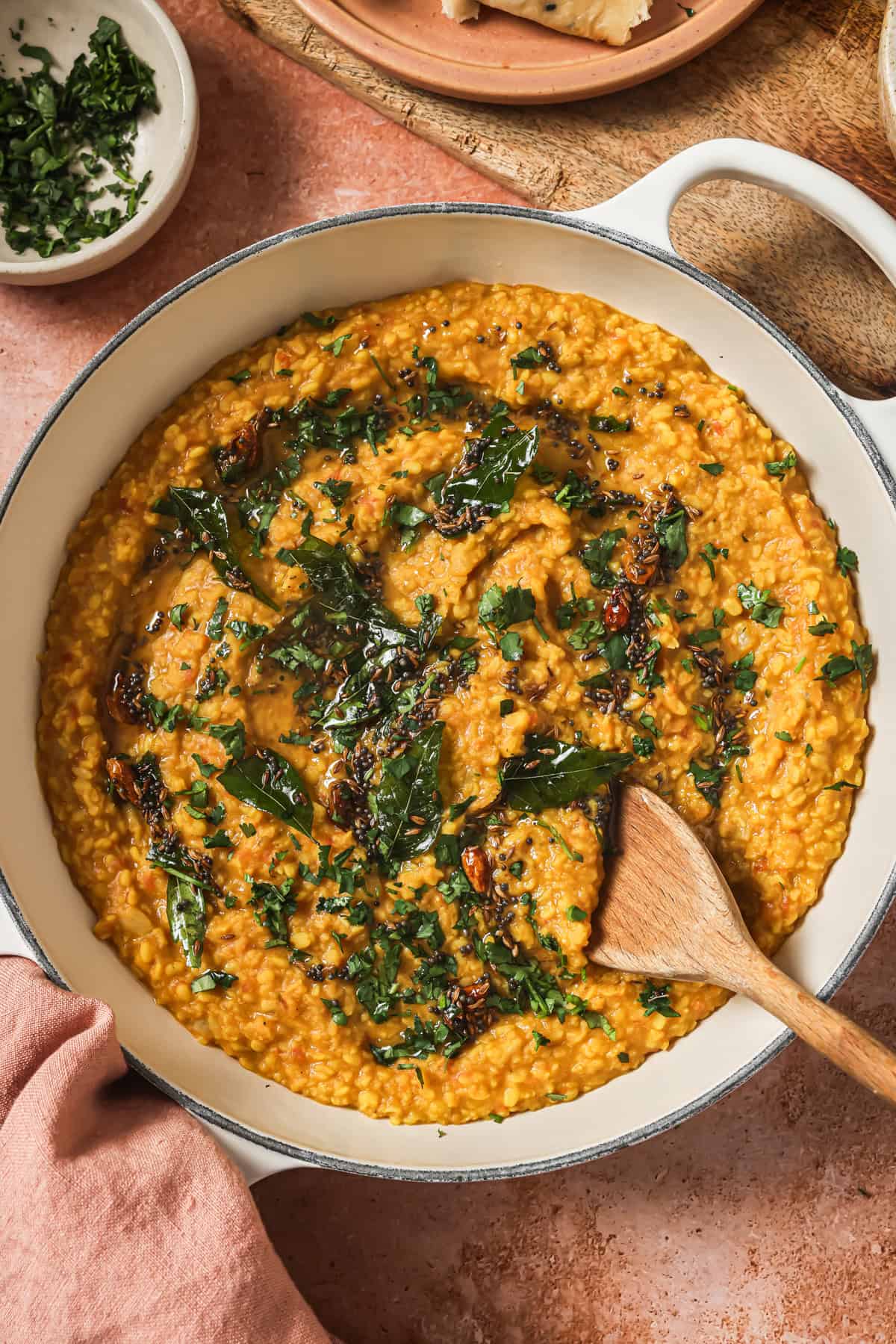
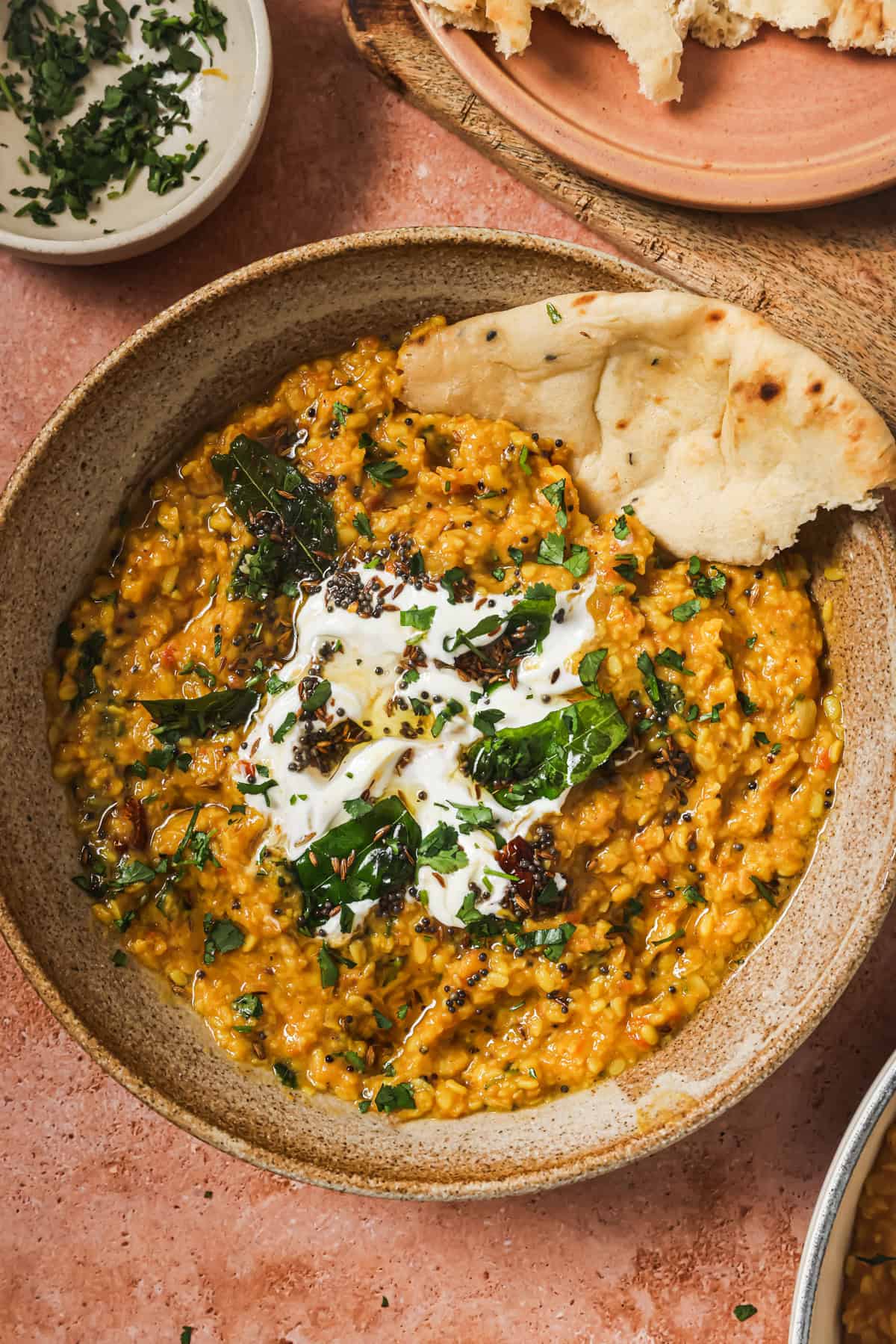
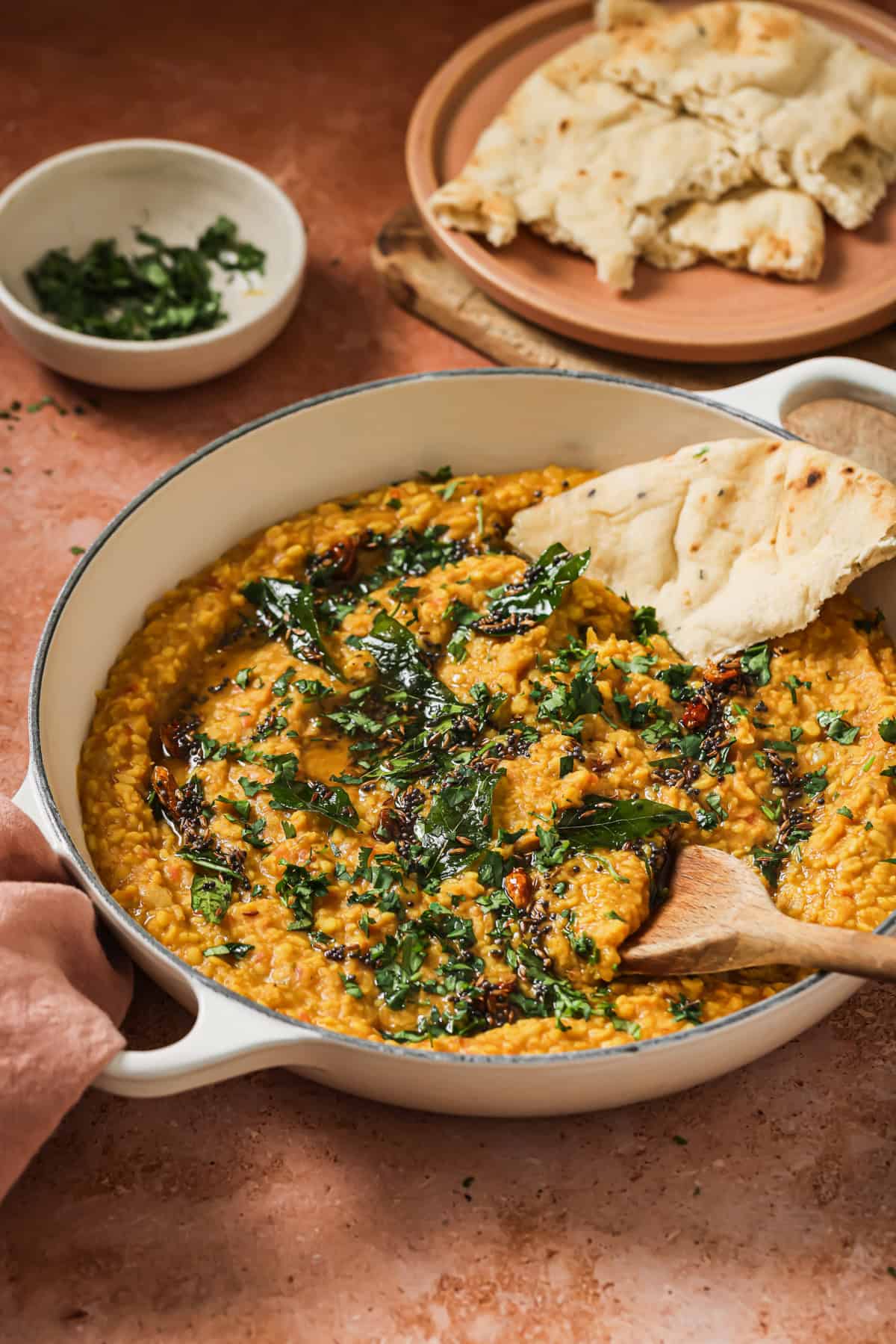
I’m so excited to share my favorite version of the most classic Indian dish ever: Dal Tadka!
Like many Indian and Indian diaspora kids, I grew up eating dal nearly every day, which means I’ve eaten this dish literally thousands of times. In other words, this is real deal Indian food courtesy of my mother’s kitchen.
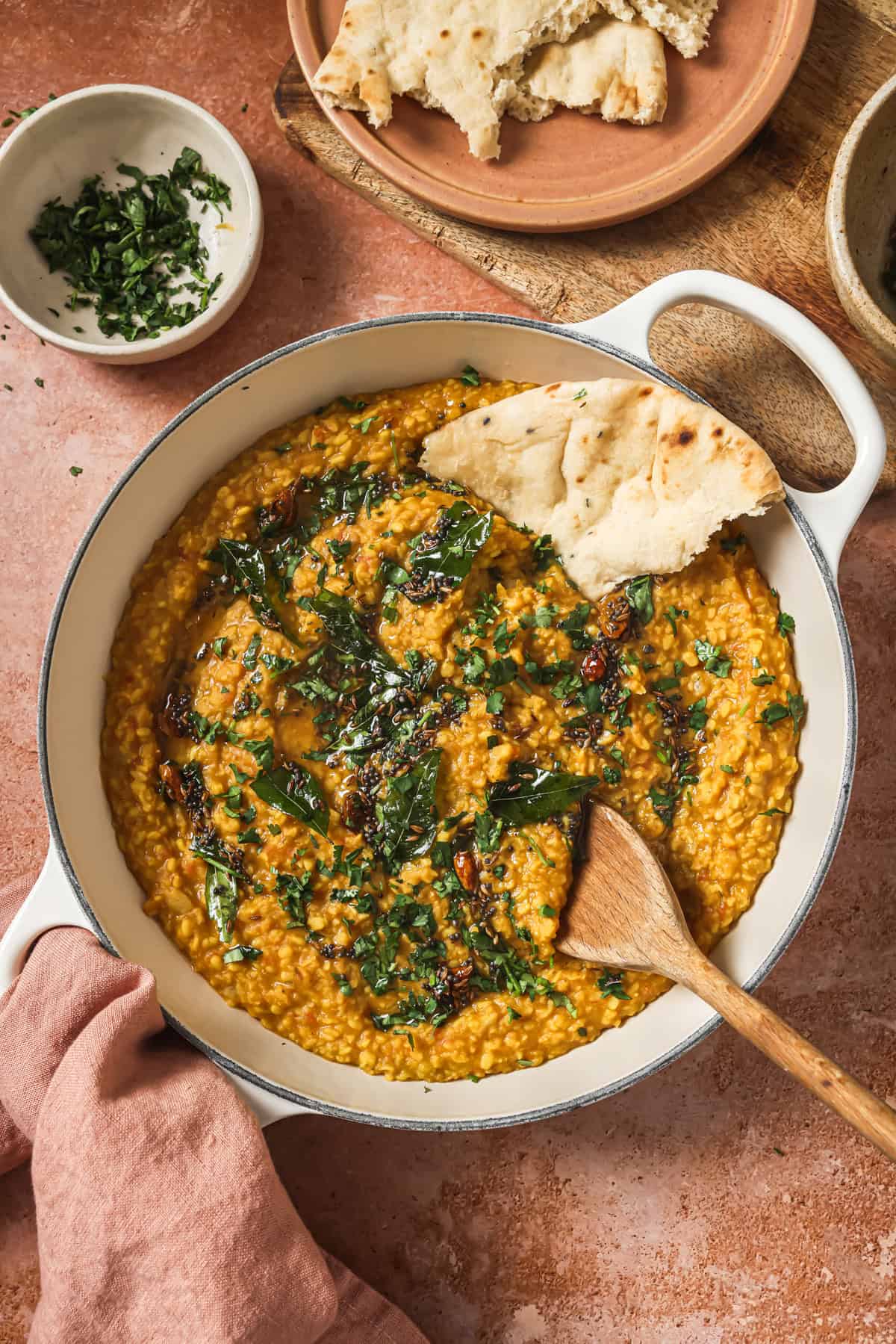
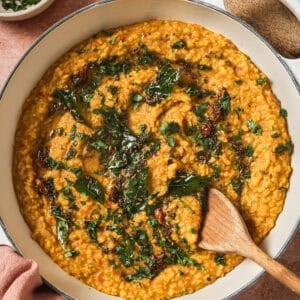
There are thousands of kinds of dal (seriously), but this version features the things I love the most about dal: it’s creamy and not soupy, features layers of spices, and it’s drizzled with tadka, AKA a fragrant spiced oil that makes everything 10x better.
Plus, it’s budget-friendly, weeknight-friendly, and allergen-friendly (no dairy/gluten/soy/nuts!).
So if you’re into indulgent comfort food secretly wholesome, you’re going to love this big ol’ hug in a bowl.
P.S. If you have my first cookbook, The Vegan Instant Pot Cookbook, check out the Instant Pot recipe for Dal Tadka in Chapter 3.
In this post:
🎥 Watch! How to make this recipe
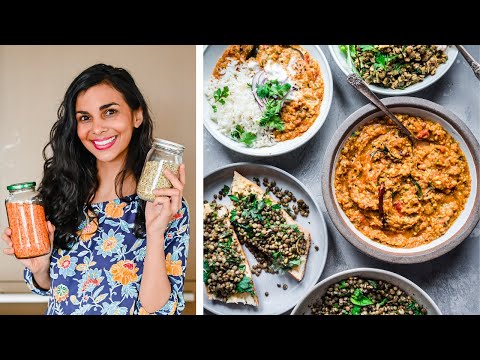
With over 660K views and 20K likes on my YouTube channel, this dal tadka is a huge hit with my community! Stay for an absolutely iconic cameo by my parents.
What is Dal Tadka?
Dal is the Hindi word for lentil. In India, dal also refers to the dish as a whole—a deeply-spiced, aromatic lentil stew, of which there are countless regional variations and even more variations across each family.
Tadka translates to the tempered oil where whole spices, herbs, and/or aromatics are briefly toasted in a hot fat source to bring out their essential oils and boldest flavors. It takes this dish from good to glorious so DO NOT SKIP IT (sorry for yelling, but I insist upon this point).
If we put the two together, Dal Tadka is a lentil stew finished with a spiced, tempered oil poured on top just before serving, which enhances both the flavor and texture of this comforting, nourishing Indian staple.
Ingredient notes
Here I’m highlighting a few of the key ingredients for this recipe. For a complete list of ingredients and step-by-step instructions, scroll to the bottom of the post to find the recipe card.
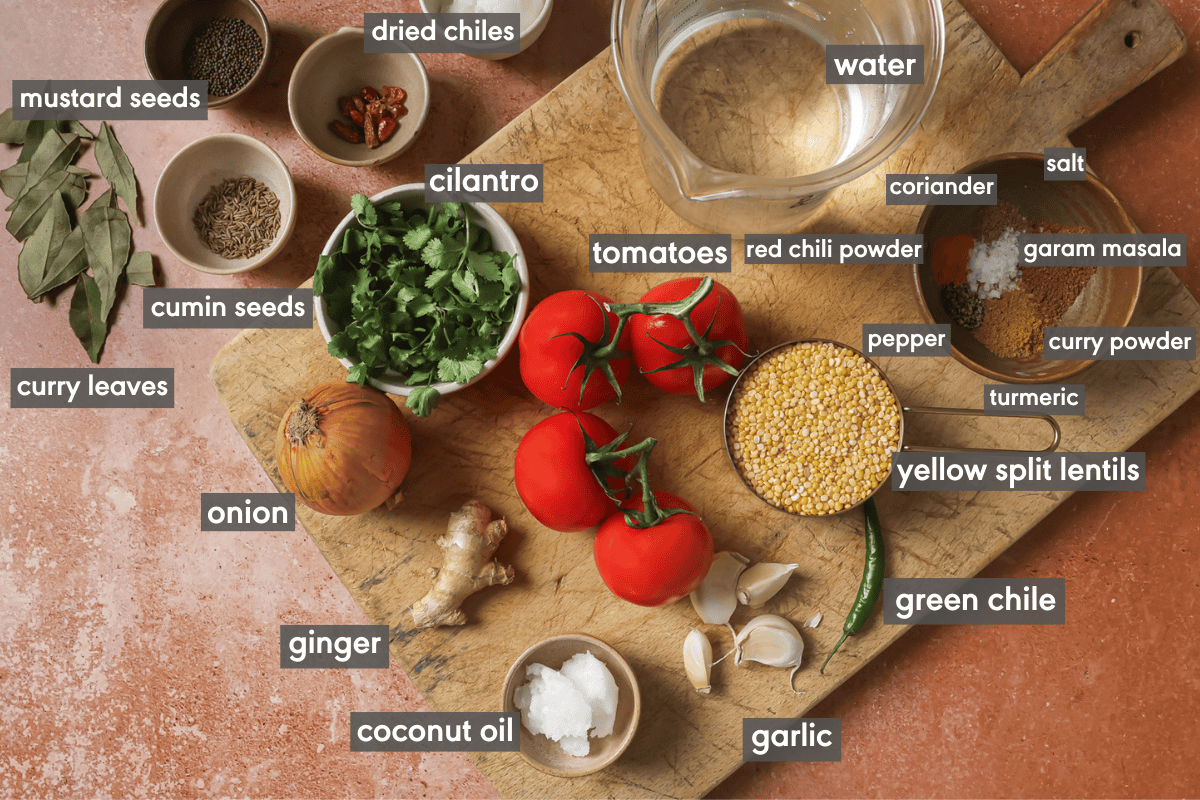
Split yellow lentils
I use split yellow lentils here, AKA moong dal, but you can make dal with lots of varieties of split lentils or peas—check out the second FAQ for more information on lentil/pea options that work well in this recipe!
Tips for buying and substitutes: South Asian grocery stores carry every variety of split lentil or pea your heart could desire, but you can also find moog dal online; masoor Dal (AKA split red lentils) would be the closest sub. If your local grocery store doesn’t carry either, you can use regular red lentils (but they will take a bit longer to cook since they’re whole, not split).
The Indian Holy Quaternity
Like so many of the Indian or Indian-inspired recipes I’ve shared (Chickpea Curry, Red Lentil Curry, Dal Palak), this one starts with what I consider the quintessential foursome in Indian cooking: onions, garlic, ginger, and green chiles (serrano pepper, in this case).
They lay the flavor foundation for this dish (and, as they sauté, instantly make your kitchen smell amazing).
Tadka spices
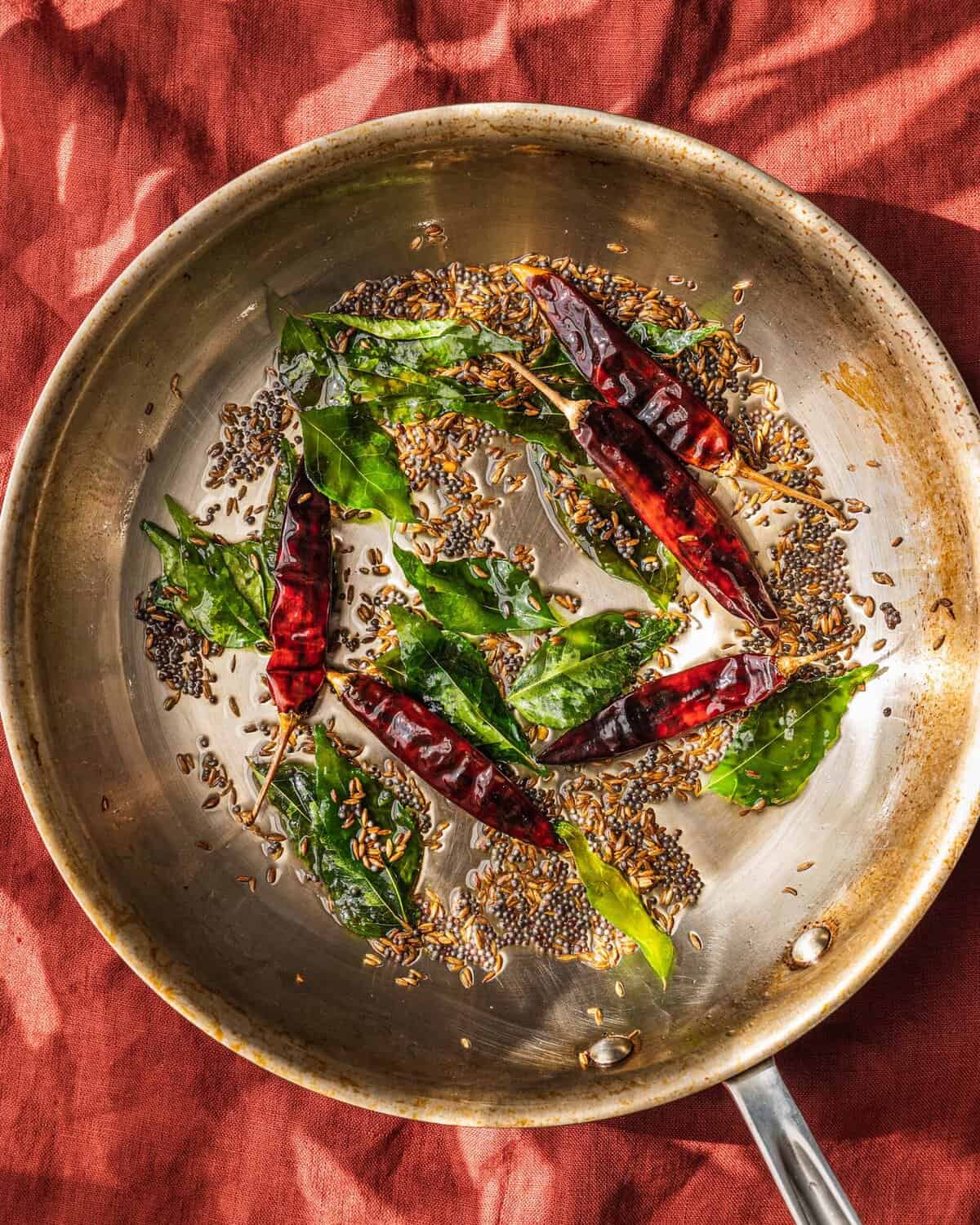
My version calls for black mustard seeds, cumin seeds, curry leaves, and optionally, dried red chili pepper and asafoetida (AKA hing).
I think the curry leaves and mustard seeds add the most flavor, so I wouldn’t skip those if you have an Indian grocery store in your area. But since every tadka is different, don’t fret about not having every spice—check out the Tips section below for a whole host of substitution ideas!
Tips for buying and substitutes: If you don’t have access to fresh curry leaves, you can order dried curry leaves online. Use double the amount since they are less potent.
Asafoetida punches up the umami and makes dal taste distinctly Indian, but it is very pungent so use just a pinch or two (be sure to store it very well sealed or your pantry will end up smelling funky!). Many brands contain wheat, so omit if gluten-free (or seek out a GF variety of asafoetida).
Step-by-step instructions
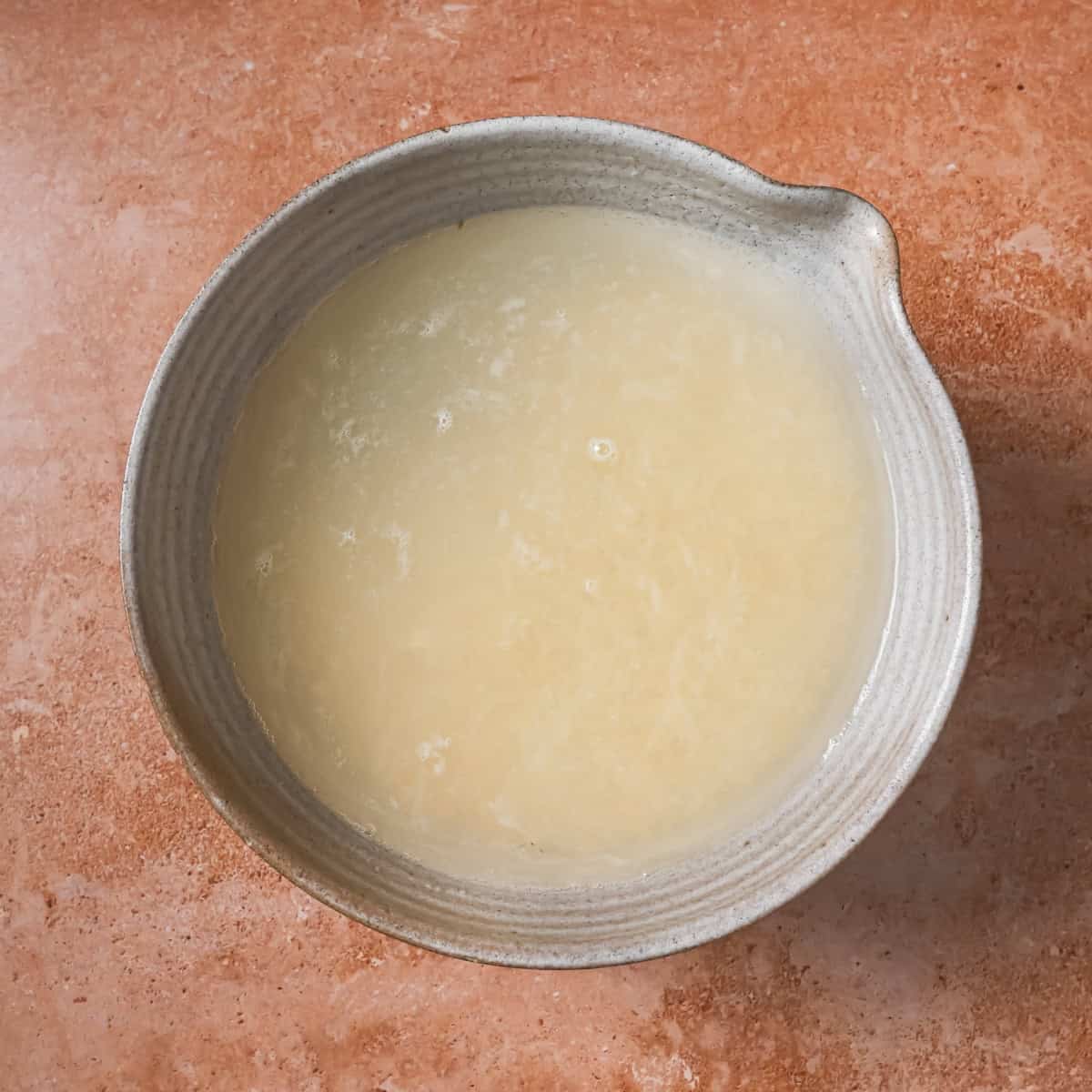
- Sift through the lentils and remove any pebbles. Soak the lentils in cold water for 15 minutes and then drain them.
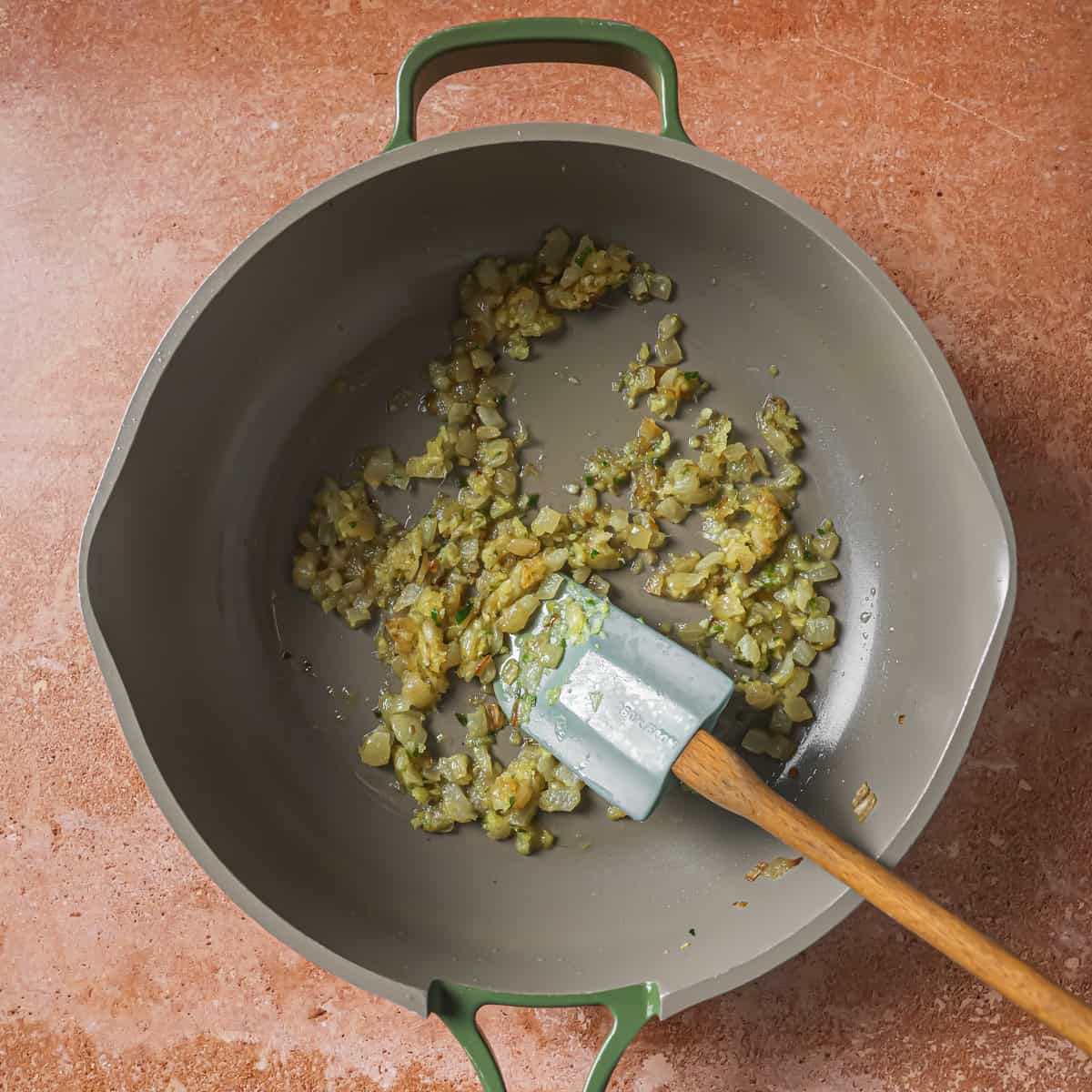
- Heat a large sauté pan over medium-high heat with the oil. Sauté the onions until starting to turn golden. Add the garlic, ginger and serrano pepper, and sauté for 60-90 seconds.
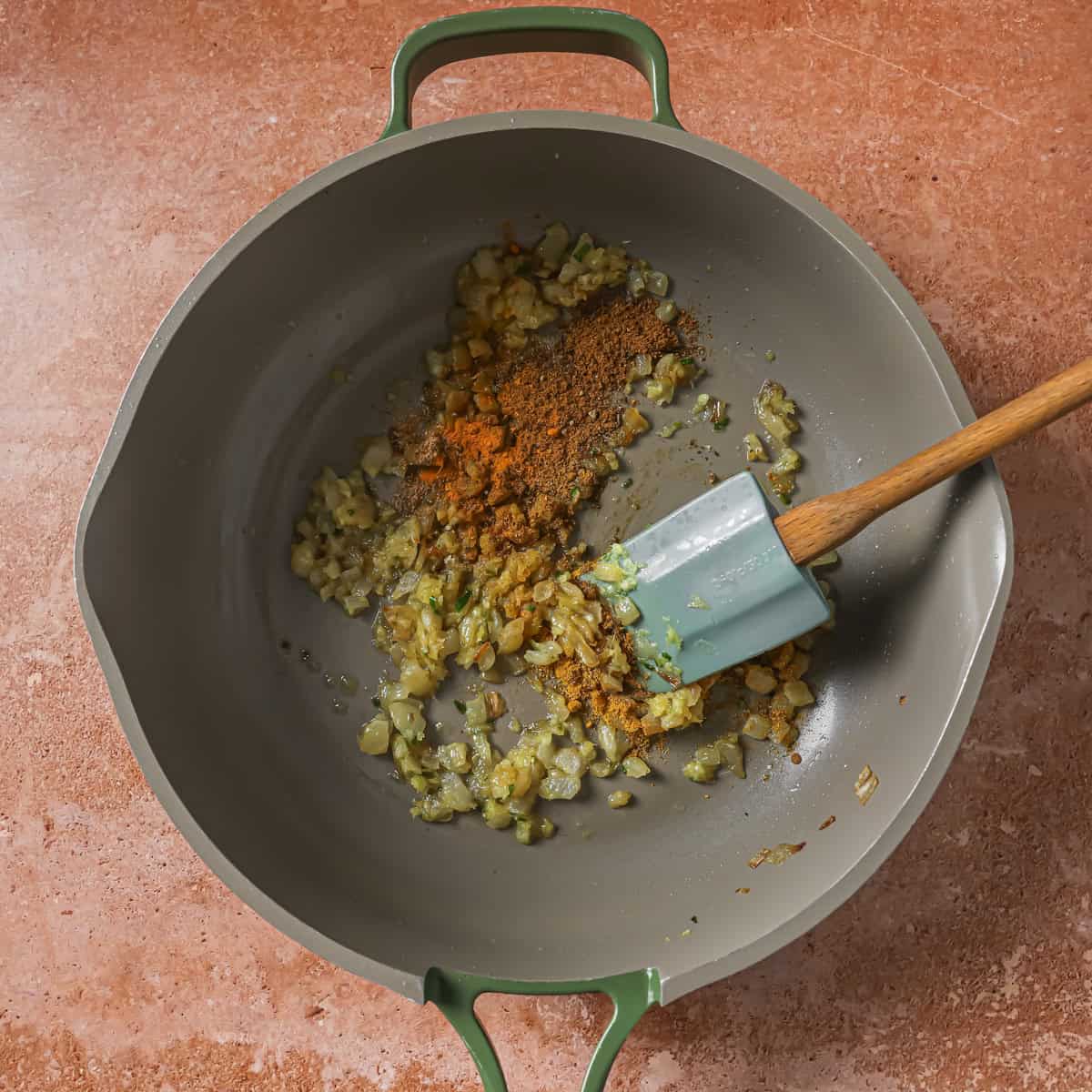
- Add the ground spices and stir almost constantly for 30 seconds.
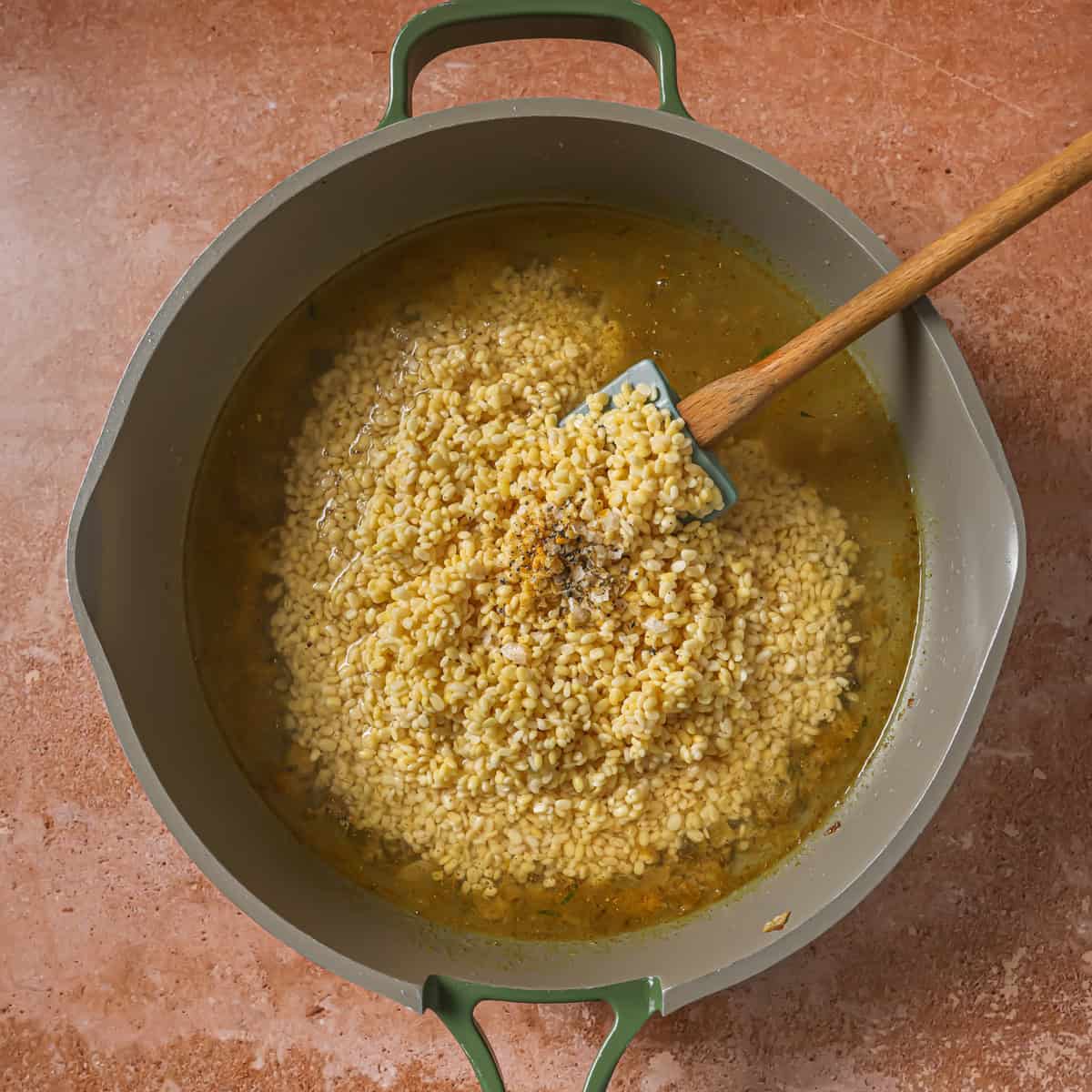
- Pour in 2 cups of water to deglaze the pan, scraping up the browned bits, then add the soaked and drained lentils.
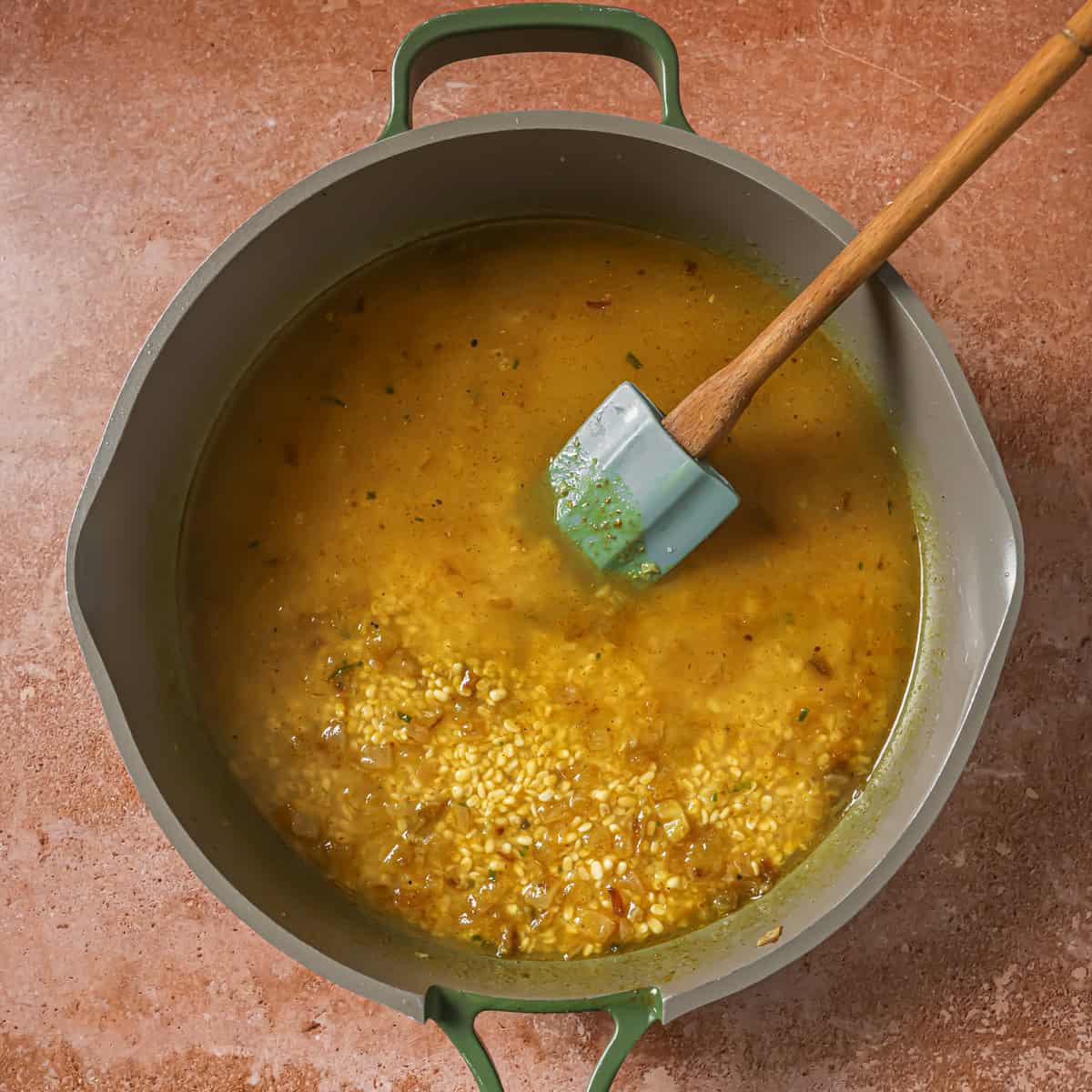
- Bring the dal to a boil, then partially cover the pan and reduce the heat to maintain a simmer.
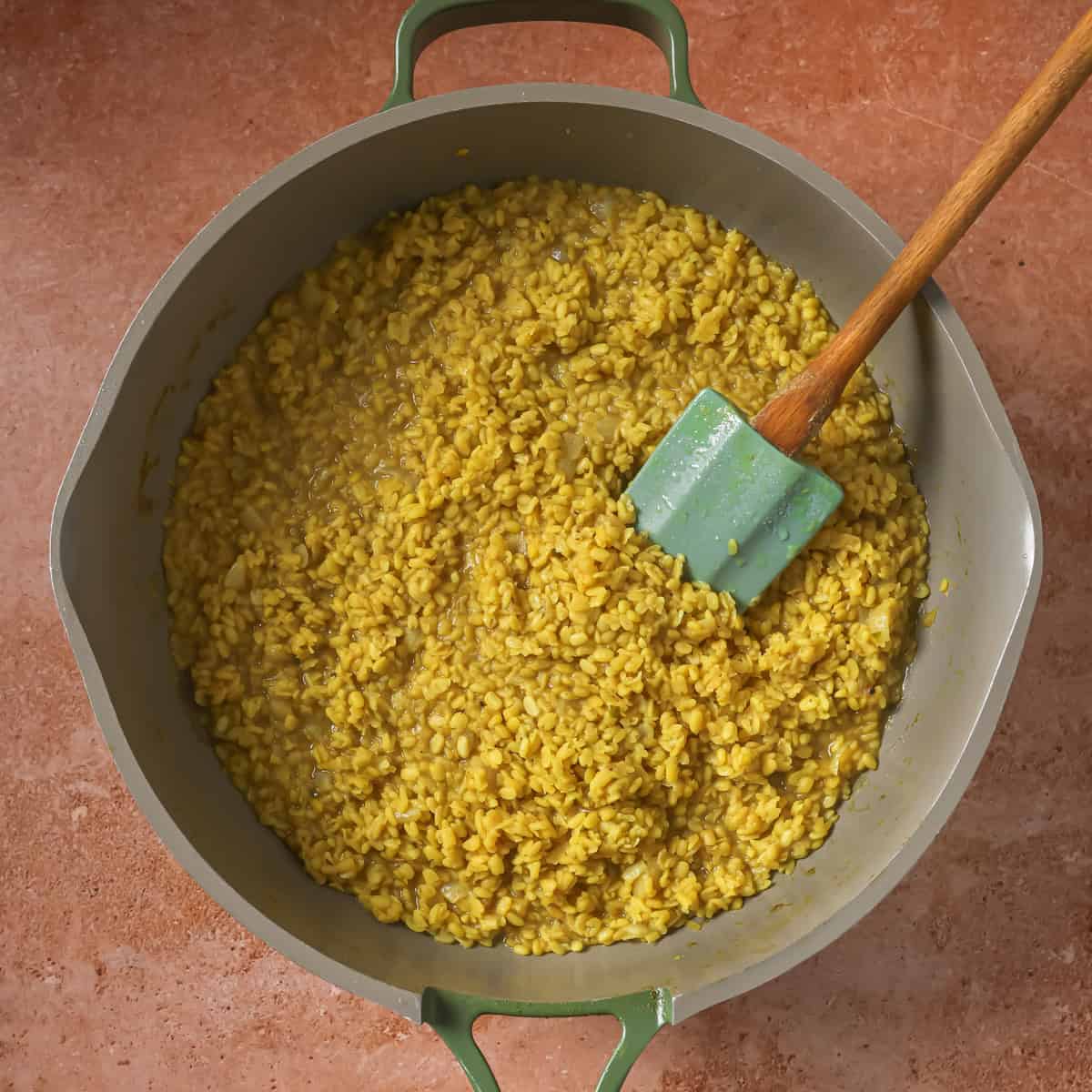
- Simmer for 30 minutes, or until lentils are fully cooked.
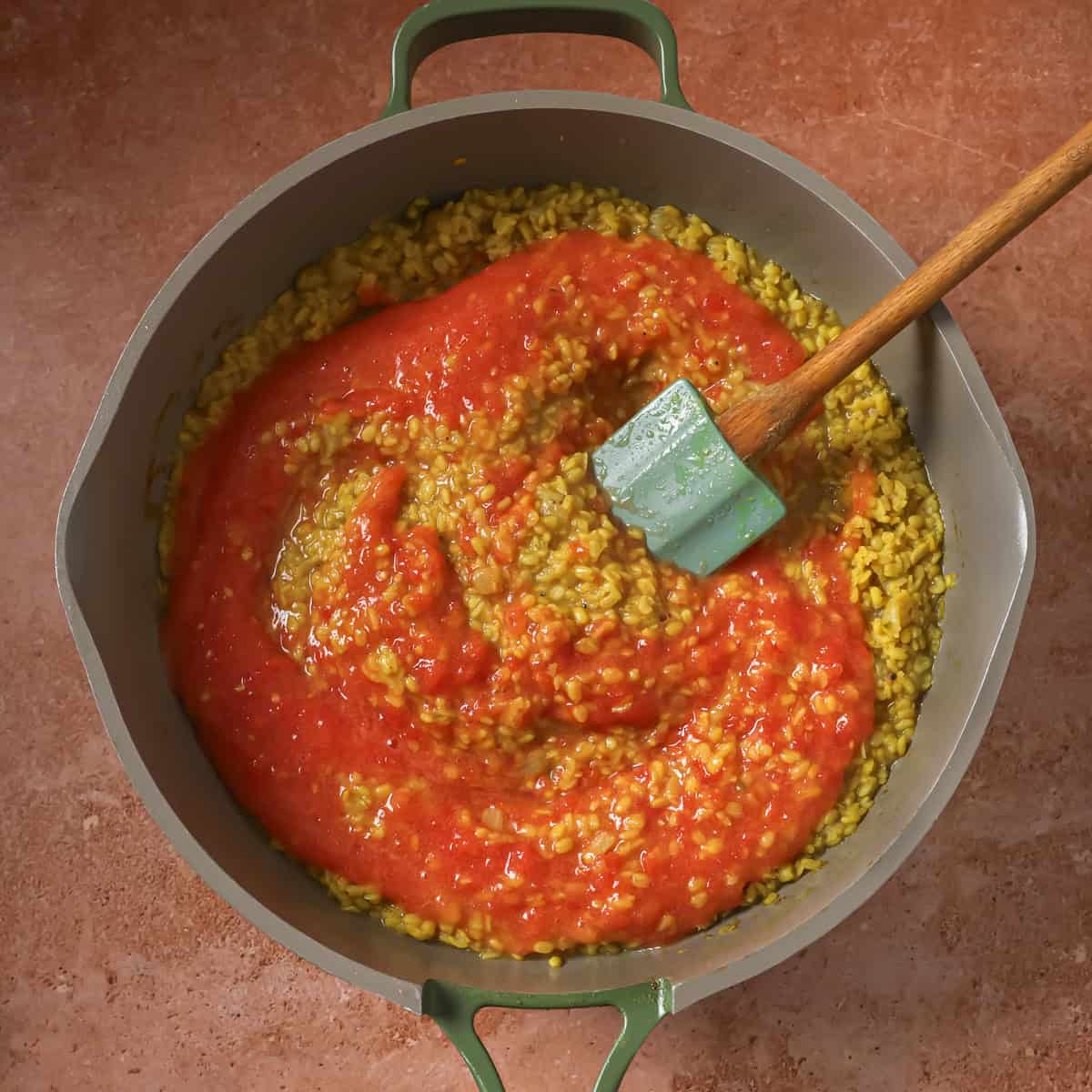
- Add the tomatoes, stir, and cook uncovered for 4 to 5 minutes, until tomatoes are broken down (fresh tomatoes need more time).
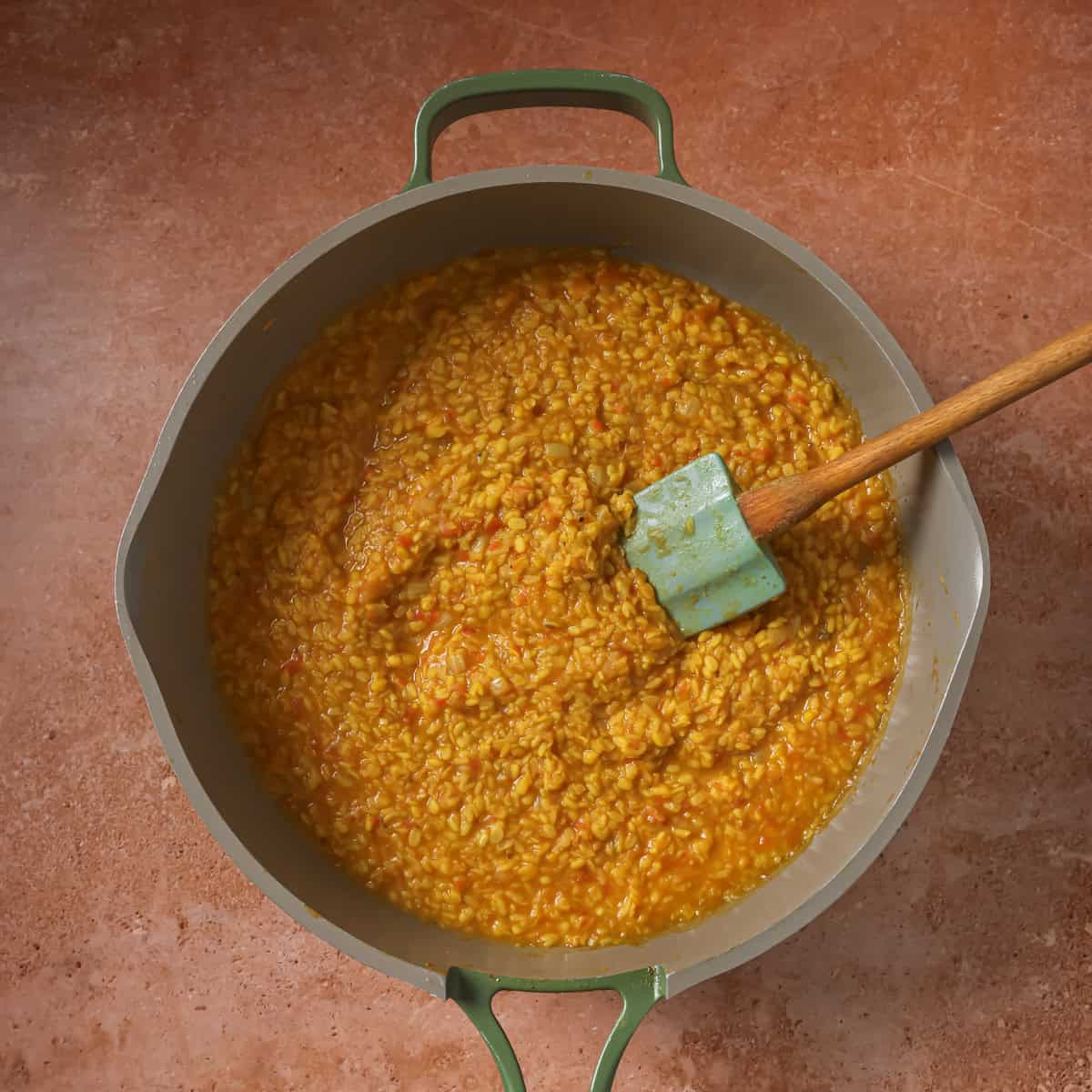
- Tip: for a creamier texture, run an immersion blender through some (but not all) of the dal.
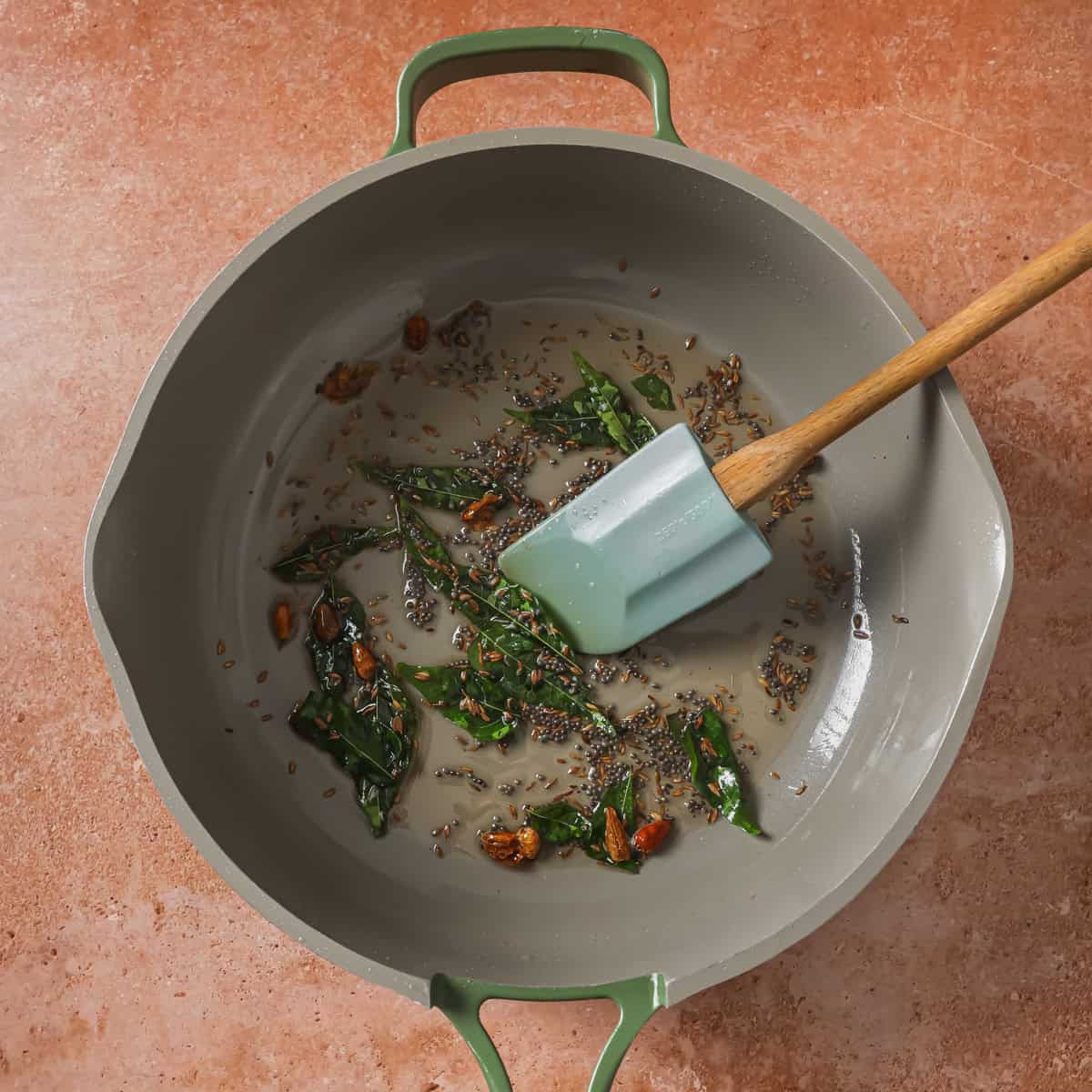
- Before serving, make the tadka. Heat the oil in your smallest pan.
Add the mustard seeds and swirl the pan frequently until they pop; add cumin seeds and until a bit darker.
Add the asafoetida, then curry leaves and dried peppers briefly.
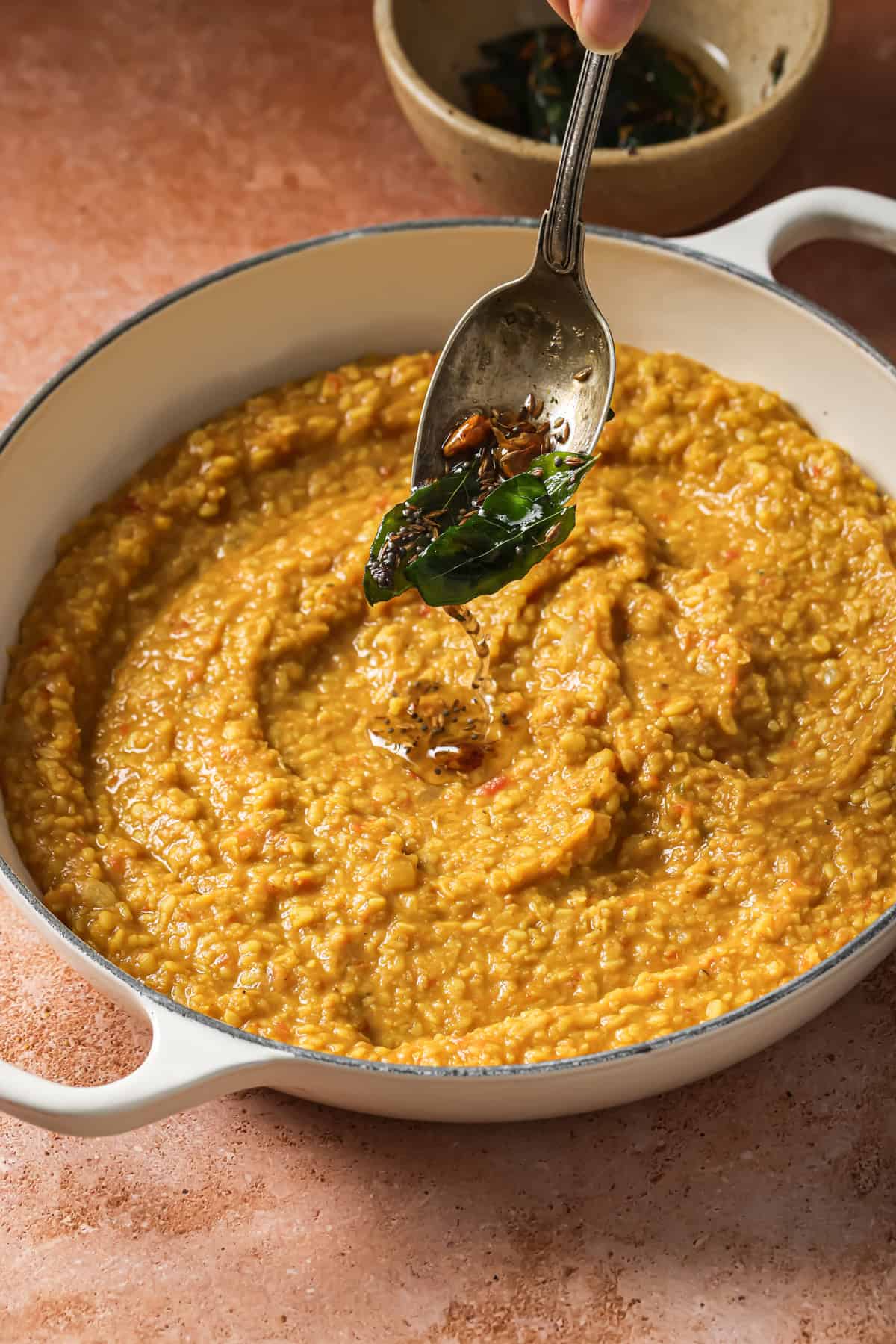
- Immediately pour the tadka on top of the dal and garnish with cilantro.
Beginner’s guide to making tadka
Making a tadka for the first (or fifth) time can feel intimidating. But the truth is, it’s actually not that hard, if you familiarize yourself with the right techniques.
Tools for making tadka
To make a tadka, use a very small saucepan such as a tadka pan. If you don’t have that, use the smallest saucepan you have such as a butter warmer, or your smallest skillet (we had to use a skillet for photography purposes and it works fine).
When cooking Indian food, an Indian spice tin (AKA a masala dabba) is very handy, though not required. Since spices cook quickly, it’s convenient to have all the spices in shallow, uncovered tins rather than individual deep spice jars.
Tadka Method 101
- First, heat up a few spoons of oil in your small pan (sometimes ghee is used, but I use oil to keep it vegan) until very hot.
- NOTE: You can use any neutral oil (I wouldn’t recommend olive oil), but I typically like to use virgin coconut oil for more flavor.
- To test if the oil is hot enough, add one or two mustard seeds. If they sizzle immediately or nearly immediately, it’s hot enough.
- Add the whole spices in the order listed and swirl the pan frequently. Cook until they sizzle and/or turn a few shades darker.
- If the recipe calls for any sliced or minced aromatics, you’d typically add them after the whole spices.
- After the whole spices (and any aromatics, if using), add the asafoetida, if using.
- Things that burn easily—dried red chilies, fresh garlic, ground spices, and curry leaves—get added at the end.
- No matter what you’re adding, you want to be swirling the pan frequently to prevent burning.
- Take the tadka off the heat immediately to prevent them burning, then pour it right on top of your cooked dal.
Tadka ingredient substitutions
My version contains black mustard seeds, cumin seeds, curry leaves, and optionally dried red chili peppers and asafoetida, but if you don’t have all the spices in this recipe, fret not!
Here are some substitution options:
- Replace mustard seeds with roughly crushed coriander seeds for a different flavor; add them with the cumin seeds.
- A whole cinnamon stick, broken into pieces: add after the mustard seeds / along with cumin seeds.
- Add minced or thin matchsticks of ginger after the whole seed spices.
- Add thinly sliced garlic cloves or shallots after the whole seed spices.
- Green cardamom pods: crack the pods lightly; add after the mustard seeds / along with cumin seeds.
- A few pinches of ground spices, such as cumin or coriander: add at the end for just 10 to 30 seconds.
Frequently Asked Questions
In most Indian families and restaurants, dal is served with either basmati rice or some sort of simple flatbread, like roti or chapati. And speaking of flatbreads, if you have a little extra time, this dal is next level when paired with my homemade Vegan Naan.
Topping-wise, I like to add a little coconut yogurt and thinly sliced red onion. If you don’t have vegan yogurt but still want something cooling, try a little diced avocado (non-traditional but very good)!
The short answer? No, you’ve got lots of options—though the cook time will vary depending on the type of lentil you choose, so keep an eye on the dal as it cooks.
Any of the split lentil or split pea varieties listed below should work in this recipe!
You can find all these varieties and more at South Asian grocery stores, but I’ve also linked options for buying each of these online.
• Moong Dal (AKA yellow split lentils—what I use in this recipe)
• Masoor Dal (AKA split red lentils)
• Toor Dal (AKA yellow split pigeon peas—this is what my mom most often used when she made dal for me as a kid, but it takes longer to cook)
• Chana Dal (AKA split chickpeas—these will take the longest to cook)
If you cannot find any of the split options above, use regular red lentils like this, but they’ll take a few minutes longer to cook.
For the best flavor and storage results, I recommend serving the dal separately (from the tadka) and making the tadka fresh.
So, if you’re planning to only eat a portion of the dal the day you cook it, portion the dal in your bowl(s) and then pour the tadka on top of that portion(s). You may not need to use all of the tadka.
When heating up leftovers, make another batch of tadka (it should take just a few minutes), then pour it over the warmed up dal.
If you accidentally pour all of the tadka on top of the entire portion of dal, no worries—you can still store it this way, but I wouldn’t recommend freezing it.
You can store dal in the fridge in a covered container for up to five days. It will thicken as it rests, but should loosen as it reheats. If it’s too thick, add a splash of water during reheating.
Yes, dal freezes well for up to 6 months; however, you will get the best results if you store the dal plain (i.e., don’t pour the tadka on top of the portion of dal you wish to freeze).
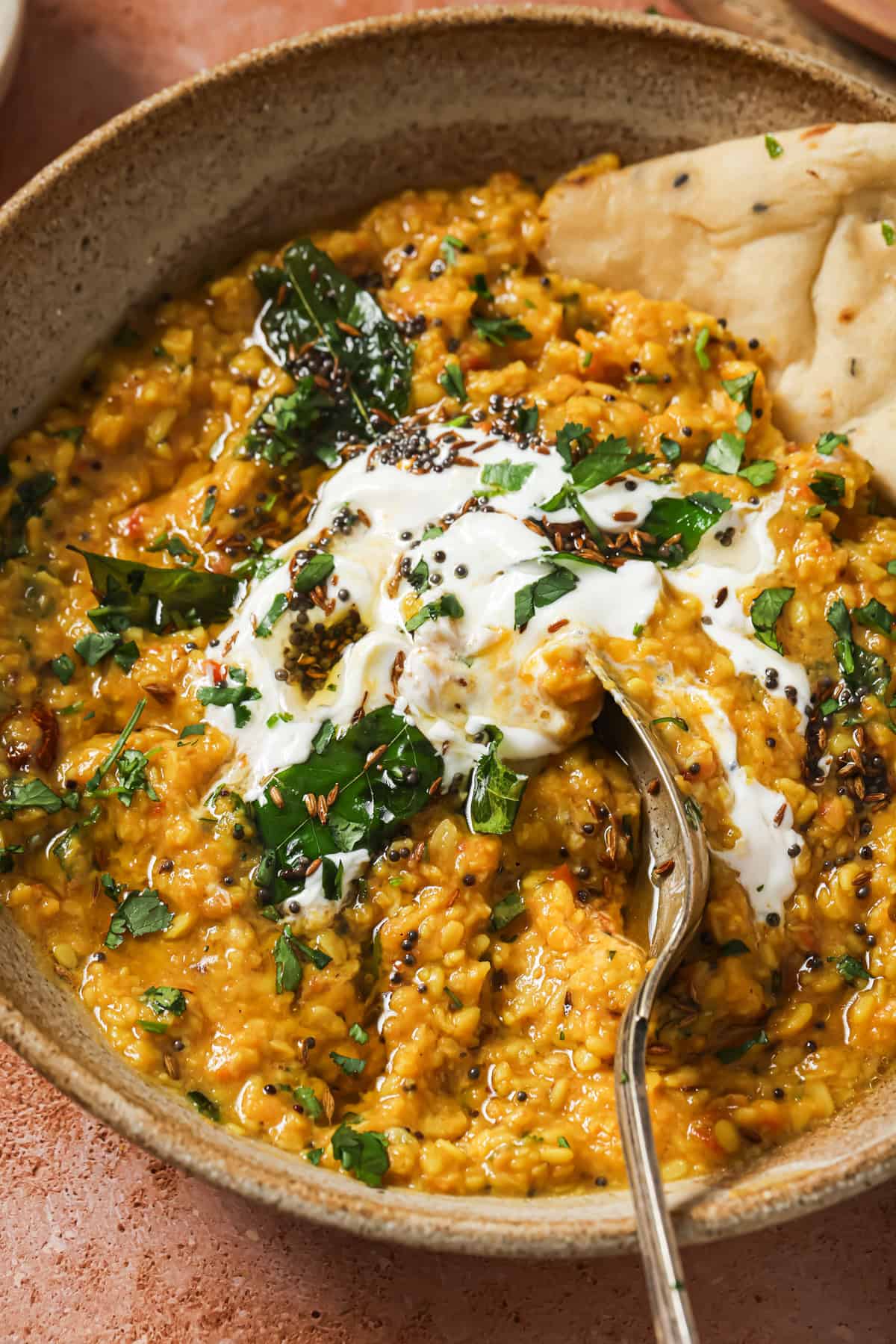
I hope this Dal Tadka brings you comfort, nourishment, and satisfaction like it does for me (and has for decades!!). If you enjoyed it, let me know by leaving a rating and review below. I so appreciate your comments! 💜
Introducing
Big Vegan Flavor
Techniques and 150 recipes to master vegan cooking.
Restaurant-Style Dal Tadka
Ingredients
Dal
- 1 cup (200g) split yellow lentils, aka “moong dal” (see Note 1)
- 1 to 2 tablespoons unrefined coconut oil (or neutral oil of choice)
- 1 medium yellow onion, diced
- 4 cloves garlic, finely chopped
- 1 inch (2.5cm) piece fresh ginger, grated or minced (about 1 TBSP)
- 1 serrano pepper, finely chopped (remove membranes for less heat) (see Note 2)
- 1 teaspoon Madras curry powder
- 1 teaspoon garam masala
- ¼ teaspoon ground coriander
- ¼ teaspoon ground turmeric
- 2 ½ to 3 ½ cups (600 to 840 mL) filtered water (see Note 3)
- Kosher salt and freshly cracked black pepper
- 1 (14.5-ounce / 410g) can crushed or diced tomatoes (see Note 4)
- 1 handful fresh cilantro, chopped
Tadka
- 1 ½ to 2 tablespoons unrefined coconut oil (or neutral oil of choice)
- 1 teaspoon black mustard seeds (or brown)
- ½ teaspoon cumin seeds
- 1 or 2 pinches asafoetida (optional)
- ~10 fresh curry leaves (or ~ 20 dried curry leaves)
- 1 to 2 dried red chile peppers (optional)
For serving
- Cooked basmati rice or flatbread, to serve 4
- Coconut yogurt for dolloping (optional)
- Thinly sliced red onions (optional)
Instructions
- Sift through the lentils and remove any pebbles. Soak the lentils in cold water for 15 minutes and then drain them.
- Heat the oil in a large sauté pan over medium-high heat (for nonstick pans, you can use 1 tbsp oil; for other pans, you’ll need a bit more). Once the oil is shimmering, add the onions and season with a pinch of salt. Cook for 5 to 7 minutes, stirring occasionally, or until softened and starting to turn golden brown on the edges.NOTE: For extra flavor, cook until onions are nicely browned, 12 to 15 minutes.
- Add the garlic, ginger, and serrano pepper. Stir frequently for 60 to 90 seconds, or until garlic is lightly browned and the mixture is very fragrant. Add the curry powder, garam masala, coriander, and turmeric and stir to coat into the onions, stirring almost constantly for about 30 seconds. If things stick, add a splash of water to scrape up any browned bits.
- Pour in the water (I use about 2 cups / 480 mL at this stage) along with the soaked and drained lentils, 1 teaspoon kosher salt (use ~ half for sea salt/table salt), and black pepper to taste. Stir to combine.
- Bring the dal to a boil. Then lower the heat and partially cover the pan with a lid (if your lid has a small hole on top to allow steam to escape, you can fully cover the pan). Simmer the dal for 30 minutes, or until the lentils are fully cooked through, stirring occasionally and adding more water as needed to add adequate moisture/liquid to the dal.NOTE: Depending on your lentil variety, the cook time might vary from 25 to 35 minutes.
- Step 6. Add the tomatoes and cook for 4 to 5 minutes, or until tomatoes have broken down and have basically blended into the dal. If using fresh tomatoes, they'll need more time unless you’ve pureed them.NOTE: If you want the dal to be thicker, run an immersion blender through some of the dal, but keep some lentils whole. It will also thicken more upon resting.Finally, stir in the chopped cilantro. Taste, adding more salt as needed.
- When the dal is done, make the tadka.Heat a tadka pan or your smallest saucepan (or skillet) over medium heat with the coconut oil.Wait until it’s very hot. To test whether it's hot enough, add one or two mustard seeds. If it sizzles immediately or nearly immediately, it's ready.Add the mustard seeds and swirl the pan frequently.Once they start popping, add the cumin seeds for a few seconds, or until just a few shades darker, continuing to swirl the pan.If using, add the asafoetida for a few seconds, followed by the curry leaves and dried chile peppers, if using.Keep stirring or swirling the pan to prevent burning, 15 to 30 more seconds, or until very aromatic and the curry leaves have shriveled a bit but not browned and the chili peppers and cumin seeds have turned darker but not burnt.Remove from the heat immediately and pour on top of the cooked dal.
- Taste the dal tadka for seasonings, adding more salt as desired. If desired, garnish with additional fresh cilantro. Serve with cooked rice or flatbread on the side and, if desired, dollop with yogurt and garnish with a few red onion slices.
Video
Notes
- You can also use split red lentils (AKA Masoor dal). If using regular red lentils, they will need a bit longer to cook. For more lentil variations, see the 2nd FAQ.
- For very mild heat, use a jalapeño instead and remove the membranes from inside.
- I prefer my dal creamy and thick, so I start with 2 cups (480 mL) water and gradually add more water throughout the cooking process—about ¾ to 1 extra cup of water (180 to 240 mL). If you want a soupier dal, start with more than 3 or 3 ½ cups (720 to 840 mL) of water, adding more as needed later.
- If using fresh tomatoes, use about 1 ½ cups (300g) finely diced fresh tomatoes. For the best texture, purée the tomatoes in a food processor first. If it’s not tomato season, I recommend using canned tomatoes.
Nutrition
Nutrition information is automatically calculated, so should only be used as an approximation.
 Love this? Leave a rating below!








What did I like about this recipe? Everything.
Thanks for the wonderful review, Robin!
I love dal and this recipe stirred me to make up a batch. It was totally delicious and perfect comfort food. I used a little bit of mustard oil for the tadka and it always adds an extra dimension. My curry leaf plant is struggling to grow so I substituted for dried fenugreek leaves. Super tasty, thank you for your wonderful channel and inspirational cooking. Love it!
We appreciate your feedback and support, Greg. Thank you for leaving a review!
I didn’t have some of the main spices (curry powder, curry leaves) so I improvised by using more garam masala, cumin seeds, coriander, cardamom pods, etc. This was delicious. Using coconut oil adds a different dimension (I used evoo for the lentils and coconut oil for the tadka). Dal is my ultimate comfort food and this recipe is like a hug from Nisha.
Thank you for your lovely comment, Rita! It makes us happy to know that you enjoyed the recipe.
Really flavoursome! My moong dal took about an hour to soften on the stove but understand natural ingredients have variations. Thanks for a healthy and wholesome dinner!
We’re so happy you loved it, Hayley! Could your lentils have been a bit old by any chance? They take longer to cook that way.
Really great. I like that this recipe doesn’t call for more expensive ingredients like coconut crème and cashew, for example. Will make it much more often!
We’re over the moon to hear you enjoyed the recipe, C. Thanks for your kind words!
Hey!! I love this recipe and I am pretty sure I always made it in the instant pot. What happened to that part of the recipe? Please help!
Hi there,
You are certainly right about that. Unfortunately, we had some users report issues with the Instant Pot method. We would like to retest this but haven’t had a chance to do that yet. In the interim, please accept our apologies. I am pasting the Instant Pot instructions here.
1. Select the Sauté setting on the Instant Pot and let the pot heat up. Add 1 tablespoon of coconut oil or oil of choice, followed by the onion. Cook until the onion is translucent, 3 to 5 minutes.
2. Add the garlic, ginger, and serrano pepper, and cook for 1 to 2 minutes, stirring frequently to prevent sticking. Add the Ground Spices and stir to coat into the onions, and cook for about 30 seconds, stirring almost constantly.
3. Select the Cancel setting and pour in 2 3/4 cups (660 mL) water, using a wooden spoon to scrape up any browned bits on the bottom of the pot. Add the soaked and drained lentils, 1 teaspoon kosher salt, black pepper to taste, and tomatoes. Stir to combine.
4. Secure the lid and set the Pressure Release to Sealing. Select the Pressure Cook setting at high pressure and set the cook time to 10 minutes.
Once the 10-minute timer has completed, allow a natural pressure release for 10 minutes before manually releasing the steam. Stir the dal. It will thicken more upon resting. Taste, adding more salt as needed.
5. While the dal is depressurizing, make the tadka (in the recipe card).
6. Pour the tadka over the dal and stir to combine. If desired, garnish with additional fresh cilantro and taste for seasonings. Serve with white rice and other optional toppings, if desired.
Is urad gota a suitable substitute for urad dal? AFAIK, it is black gram with the outer skin dehulled.
Sorry, I meant to comment on your Dal Makhani recipe. But my question remains 🙂
Hi Kate, you are correct about urad gota – it’s simply whole urad dal with the black skin removed. It should work fairly similarly, but of course the color will be significantly different. It might cook slightly quicker as well without the skin. Let us know if you try it out!
This has been a staple in my rotation for a few years now but I recently made a batch for my south Asian neighbor after her surgery. It got her seal of approval said it was very close to home! Thanks for the nourishing recipe ☺️
Aw, thanks so much for sharing that, Stella! 🙂 We appreciate it and we are happy it won her stamp of approval.
This dish is perfect. It’s just bursting with flavor.
Thanks for the kind words, Jenean!
I always wanted to try this dal. I’m so glad that I chose this recipe to make my first batch. This was so flavorful and delicious. I ordered most of the ingredients that aren’t at my local grocery store off of Amazon. I will definitely make this again. I served it with sourdough flatbread
We’re over the moon to hear you enjoyed the recipe, Terry. Thanks for your kind words!
This was soo delicious. Thank you for sharing.
Awesome, Ally. Thanks for your comment and for taking the time to review!