


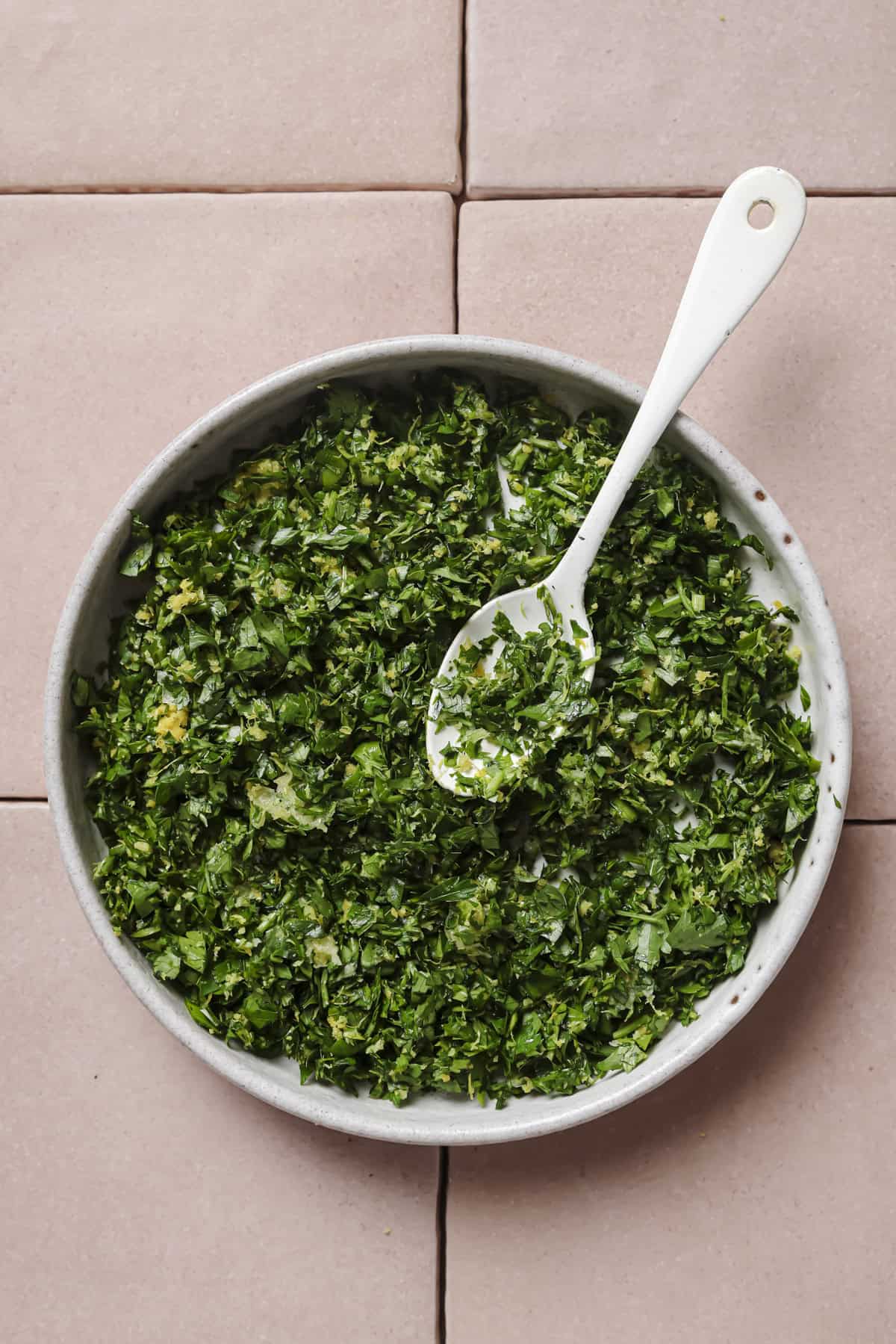
This fresh Italian condiment is so dynamic and dazzling, it’s hard to believe it’s made from just four ingredients—-parsley, lemon zest, garlic, and salt.
It’s the perfect herby, lemony topping for soups and stews, rice and pasta dishes, grain bowls, proteins, and more! You’ll be stunned by how easy it is to make, wowed by its bright, zingy punch, and delighted by its versatility and customizability.
In this post:
Why Giada lives rent-free in my head
I remember when I first learned about gremolata. I was watching Everyday Italian, the Food Network show hosted by Giada De Laurentiis, and I recall being more than a little skeptical that something so simple—parsley + lemon zest + garlic—could be, well, anything special.
As it turns out, something so simple can be extraordinarily delicious.
Over the years, I’ve shared various versions of gremolata (including some nontraditional spins) in RPL recipes like pasta salads and soups, but I’m excited to finally share a dedicated classic gremolata recipe. Bookmark this and come back to it when you want to add pizzazz to your soups, bowls, proteins, and more!

Ingredient notes
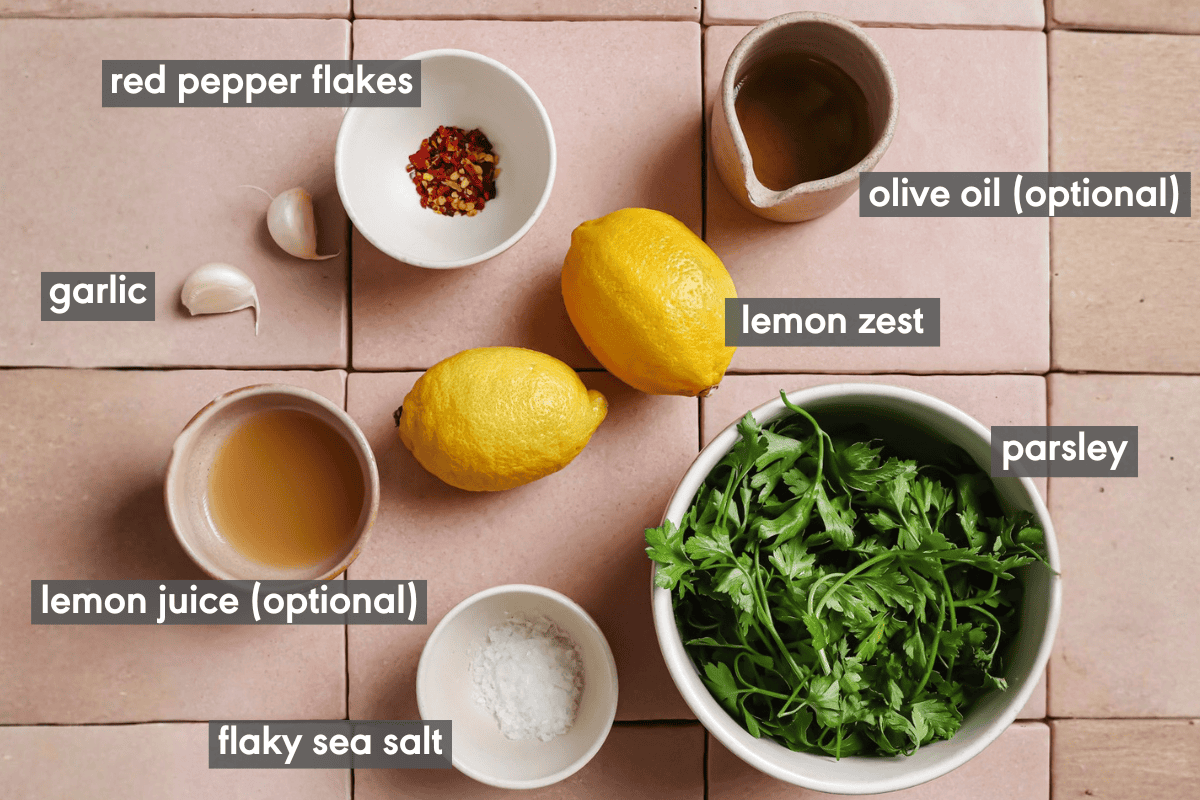
- Flat-leaf parsley. Don’t you dare use curly parsley. That should be reserved solely for decorating crudités boards. You’re looking for flat-leaf parsley, AKA Italian parsley.
- Lemon Zest. The majority of the lemon aroma actually lives in the peel, not the juice, so we zest the peel to infuse the gremolata with that lovely floral, slightly sweet flavor.
- Garlic. The garlic needs to be very finely minced or grated—the last thing you want is to chomp down on bits of raw garlic.
- Flaky Sea Salt. Some classic Italian versions do not contain salt, but salt is what makes food taste like food 🤷🏽♀️ The flaky sea salt amps up the intensity of the parsley, garlic, and lemon while simultaneously taming the natural vegetal bitterness of parsley.
Substitutes: Not a fan of parsley or don’t have all these ingredients on hand? Check out the Gremolata variations section for alternatives.
Step-by-step instructions
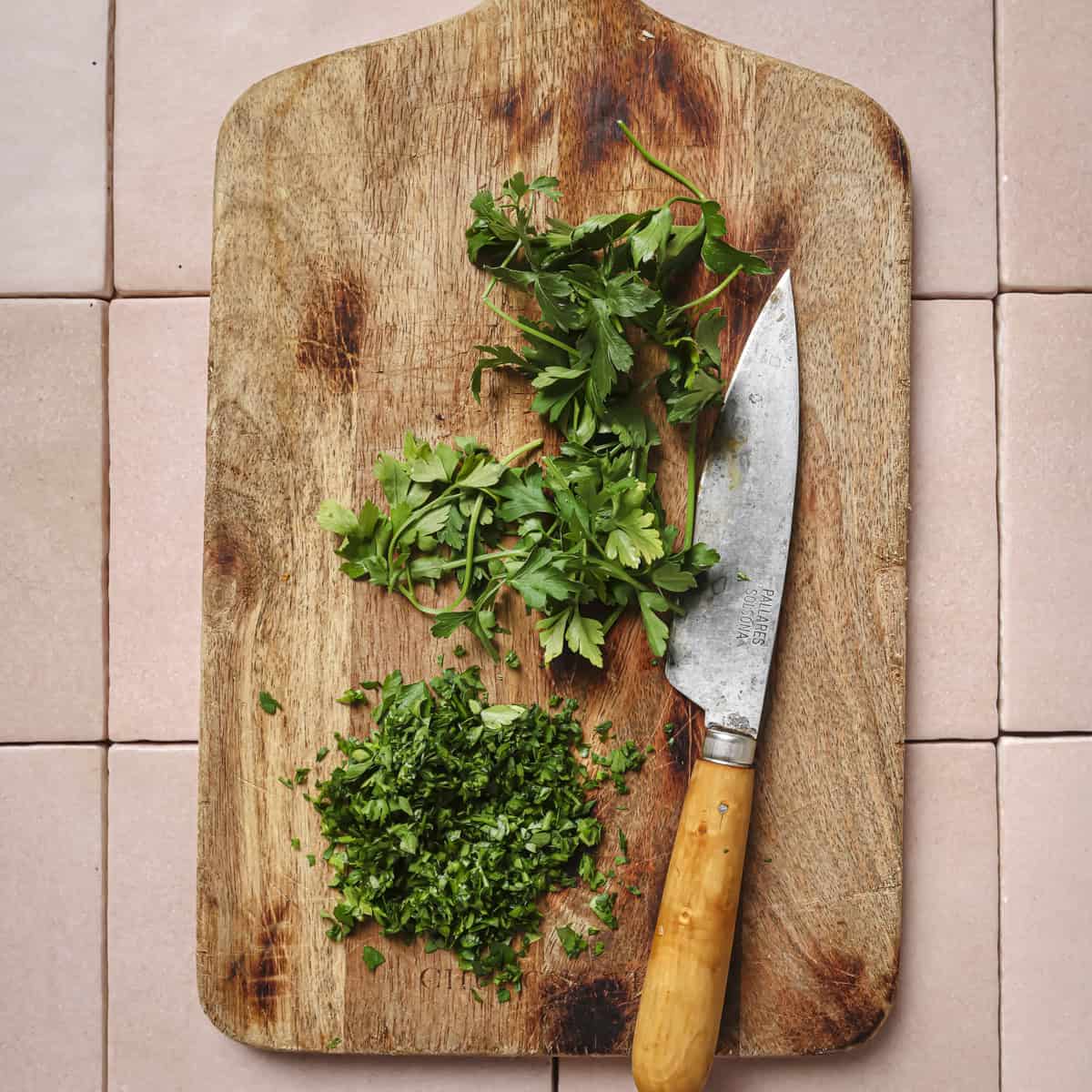
- Finely chop the parsley.
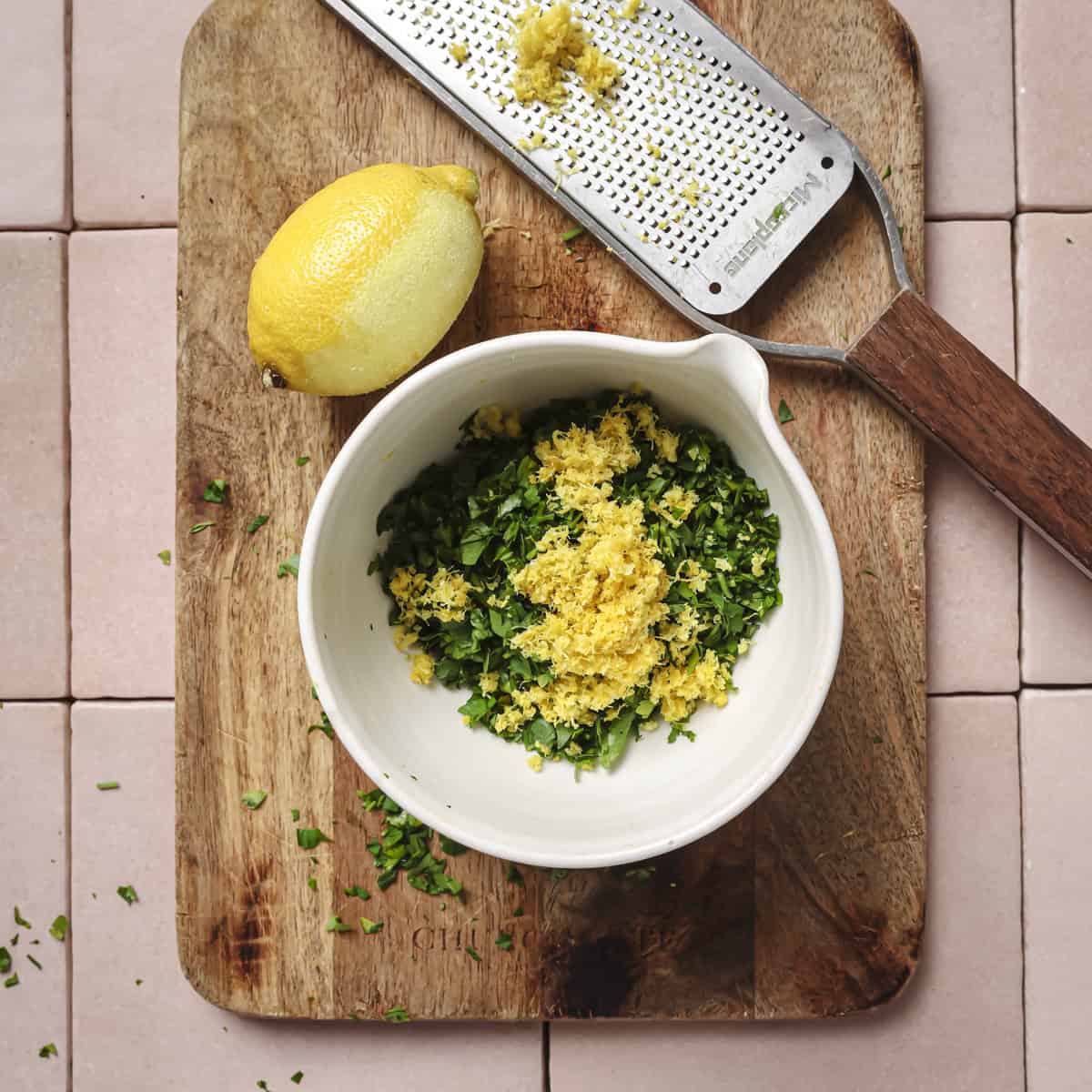
- Using a microplane, zest the lemons on top of the parsley.
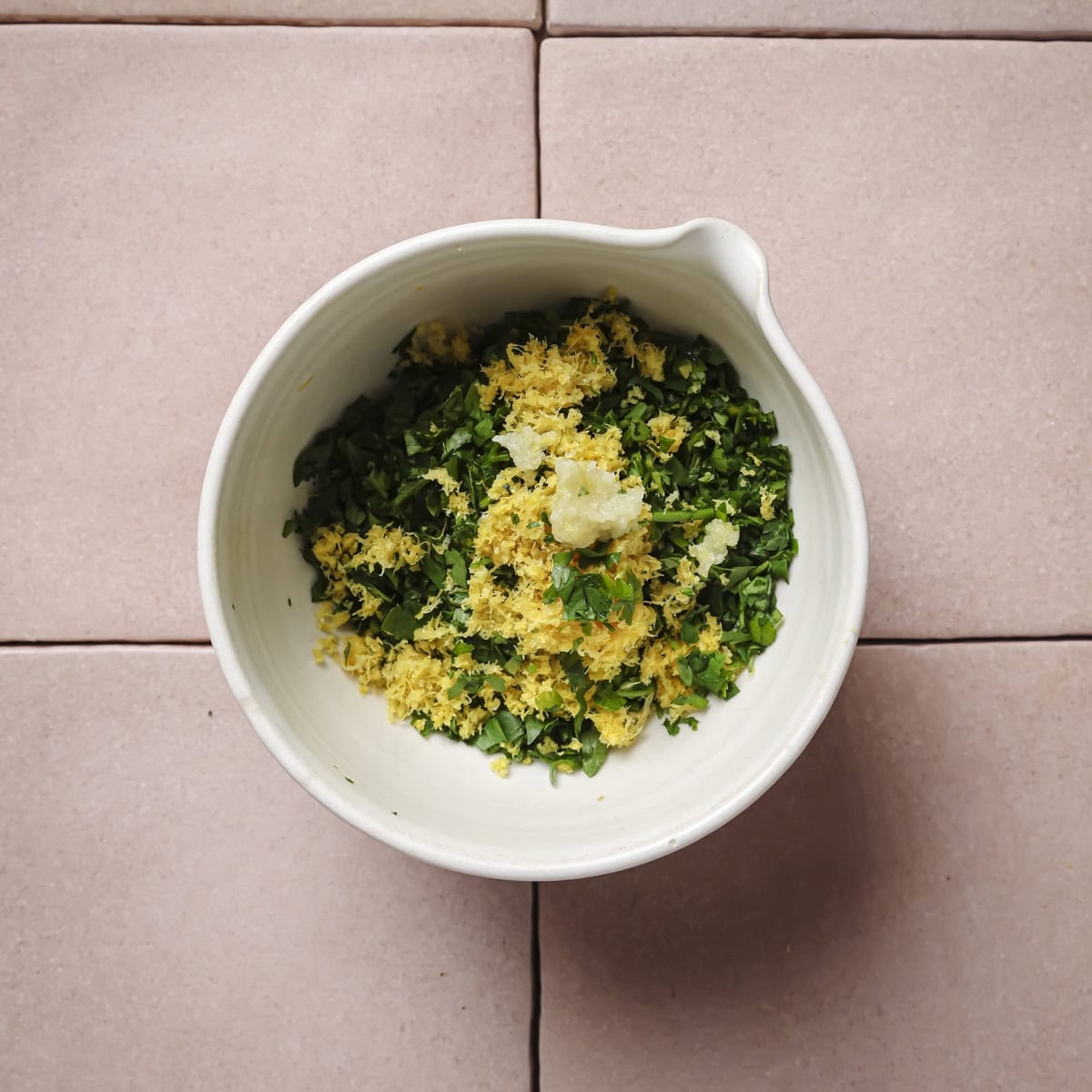
- Grate the garlic on top as well.
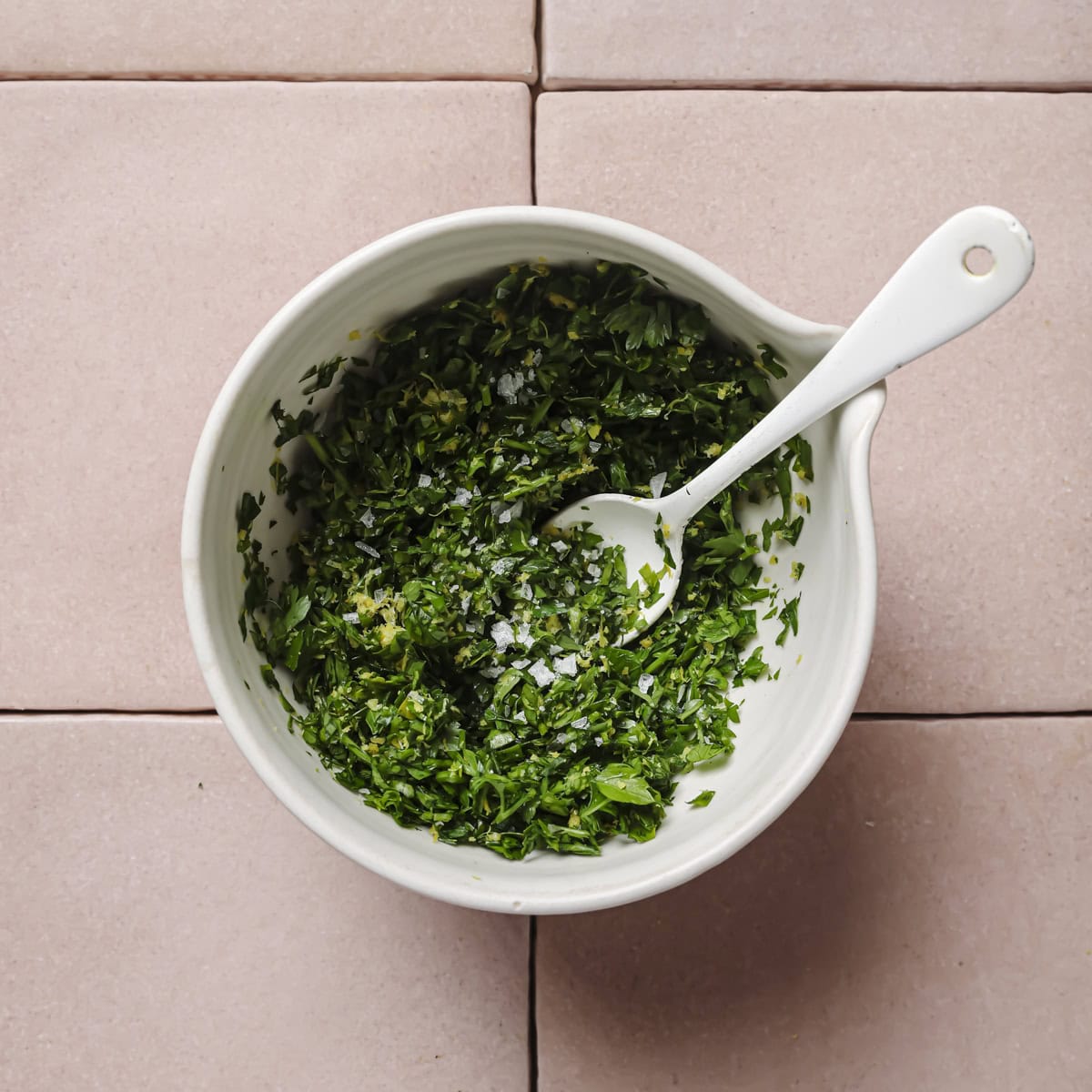
- Mix to combine, making sure the garlic is not clumping. Sprinkle with a few pinches of flaky sea salt. Taste, adding more salt as needed.
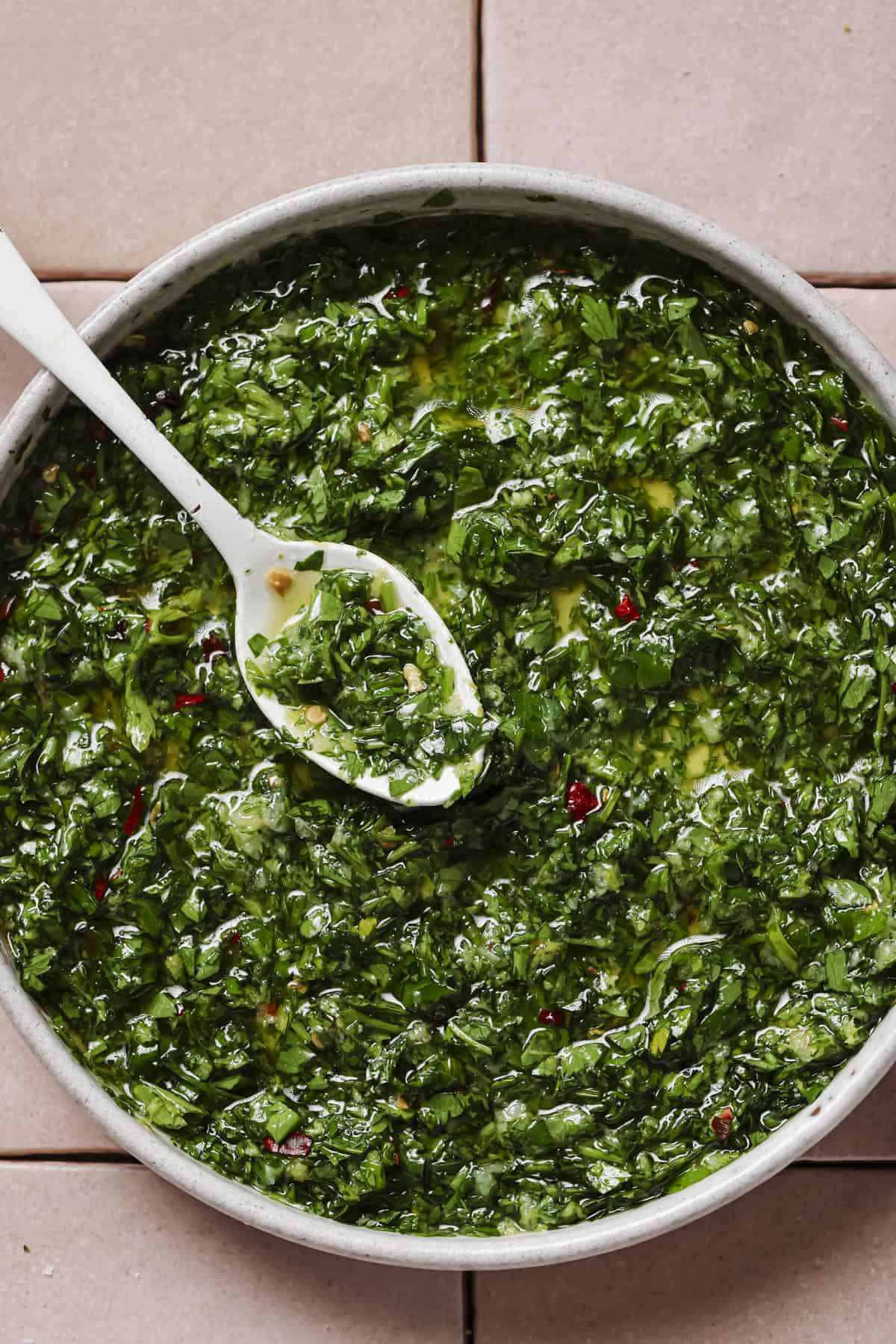
- NOTE: If you want an herb oil rather than a dry gremolata, drizzle in olive oil and lemon juice and stir well, adding salt to taste (and, optionally, a pinch or two of chili flakes for heat) and more olive oil until slightly spoonable.
Tips for making gremolata
Use the right tools
A microplane is the best tool for finely grating lemon zest, as it grates finely enough to leave behind the bitter white pith underneath the peel.
For the garlic, you can use the same microplane, or a medium-etched grater.
You can use a knife but you’ll want to super finely mince the garlic.
Use just the leaves of the parsley
In other contexts calling for flat-leaf parsley, I’ll use both leaves and tender stems, but the stems can be a tad bitter, so for the cleanest flavor, use just the leaves.
But save the stems! Throw them into a soup, stew, or broth.
Wash the lemons or use organic lemons
Since you’re consuming the entire outer layer of the lemon, I recommend using organic lemons and/or giving them a good wash and scrub before using.
Turn it into an herb oil, if you want!
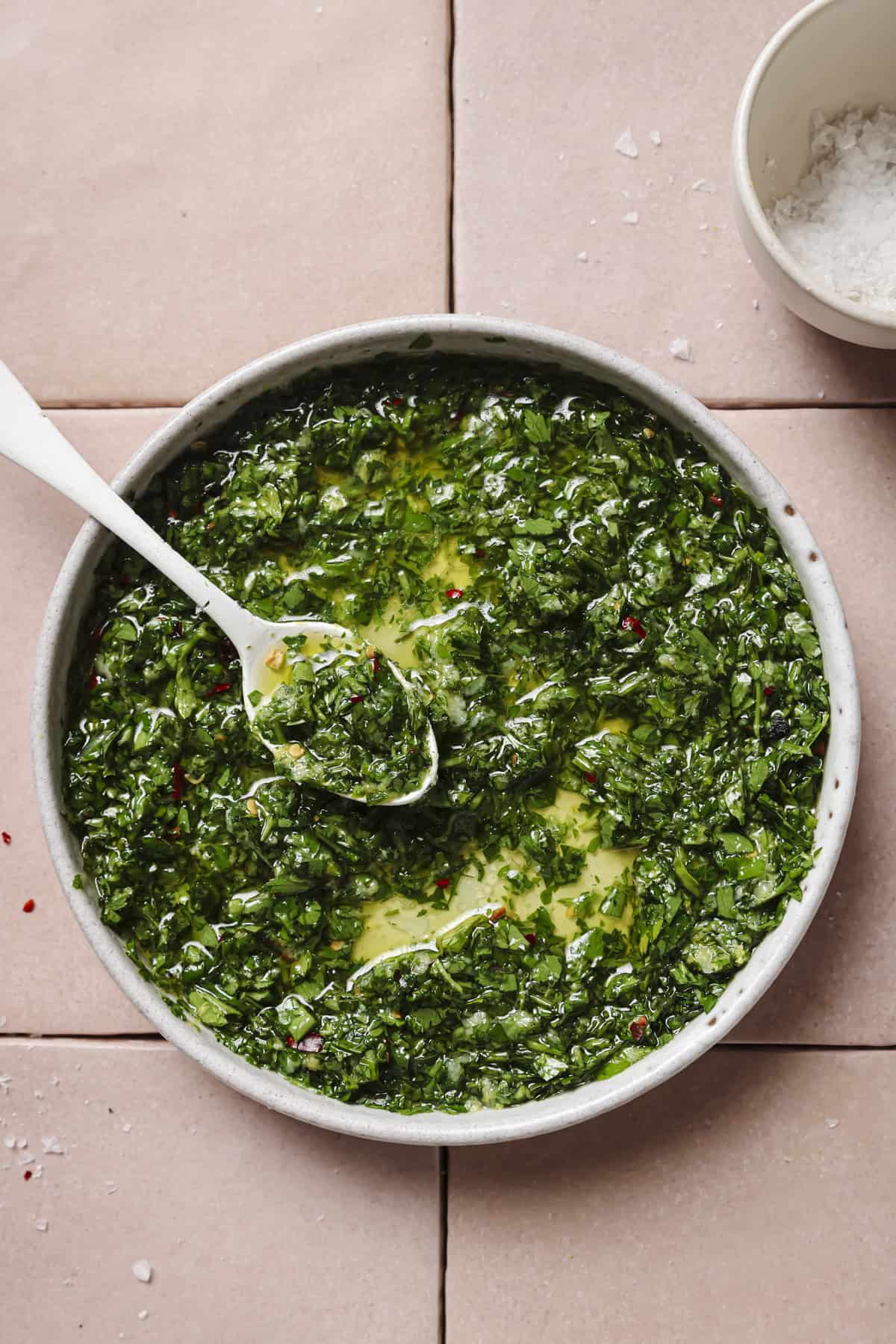
If you want an herb oil version of gremolata, drizzle your best extra virgin olive oil into the gremolata until it’s an herb sauce consistency, and squeeze in a bit of lemon juice for acidity as needed.
See the “Saucy version / herb oil” section in Gremolata variations for more details!
Gremolata variations
Herb variations
Here are some options for my parsley-haters (or anyone looking to riff on the classic flavor profile):
- Make a basil or dill gremolata! Instead of parsley, use 75% basil and 25% dill.
- Make a hybrid gremolata by replacing half of the parsley with either fresh mint leaves or fresh basil leaves.
Saucy Gremolata / Herb Oil
If you want a thick sauce consistency / herb oil instead of a dry gremolata:
- Add the gremolata to a bowl;
- Drizzle in a generous glug of extra virgin olive oil and a few teaspoons of fresh lemon juice, or enough olive oil until it’s spoonable;
- If you want some heat, add a pinch or two of chili flakes.
You can turn any of the below flavor variations into an herb oil using this method! Be sure to use an olive oil whose flavor you like. I recommend a fruity olive oil that isn’t too assertive or bitter.
Bonus: Unlike a dry gremolata, which is best used fresh, you can store this version in a sealed jar in the fridge for a few days.
Flavor Spin #1: Preserved Lemon Gremolata
- Use 1 ½ cups (24g) of a mix of fresh mint, basil, and/or flat-leaf parsley leaves.
- Replace the lemon zest with 1 tablespoon (10g) minced preserved lemon peel. Add just a pinch of salt to start, as preserved lemons are preserved with salt.
- Keep the garlic the same (as written in the recipe card).
Serving suggestions: Use in pastas and pasta salads, sprinkled over lentil soup or a tagine, or swirled into a savory yogurt sauce. For something really simple, make the herb oil version and use it as a dipping sauce for crusty bread or pita (or a sauce for potato salad).
Flavor Spin #2: Mint-Orange Gremolata
- Use 1 ½ loosely packed cups (20g) of fresh mint leaves.
- Replace the lemon zest with 1 tablespoon of zest from a navel orange.
- Keep the garlic and salt the same (as written in the recipe card).
Serving suggestions: Use as a topping for roasted carrots or butternut squash, grilled or jammy zucchini, or grain salads (I’m thinking farro + dates or figs 😍).
Ways to use this gremolata
This super versatile condiment can punch up the flavor of so many dishes (read: experimentation is very much encouraged 😊).
But if you’re looking for a place to start, here are some of my ideas for ways to use this gremolata. Both the dry/classic version or the saucy/herb oil version would work beautifully in all of these!
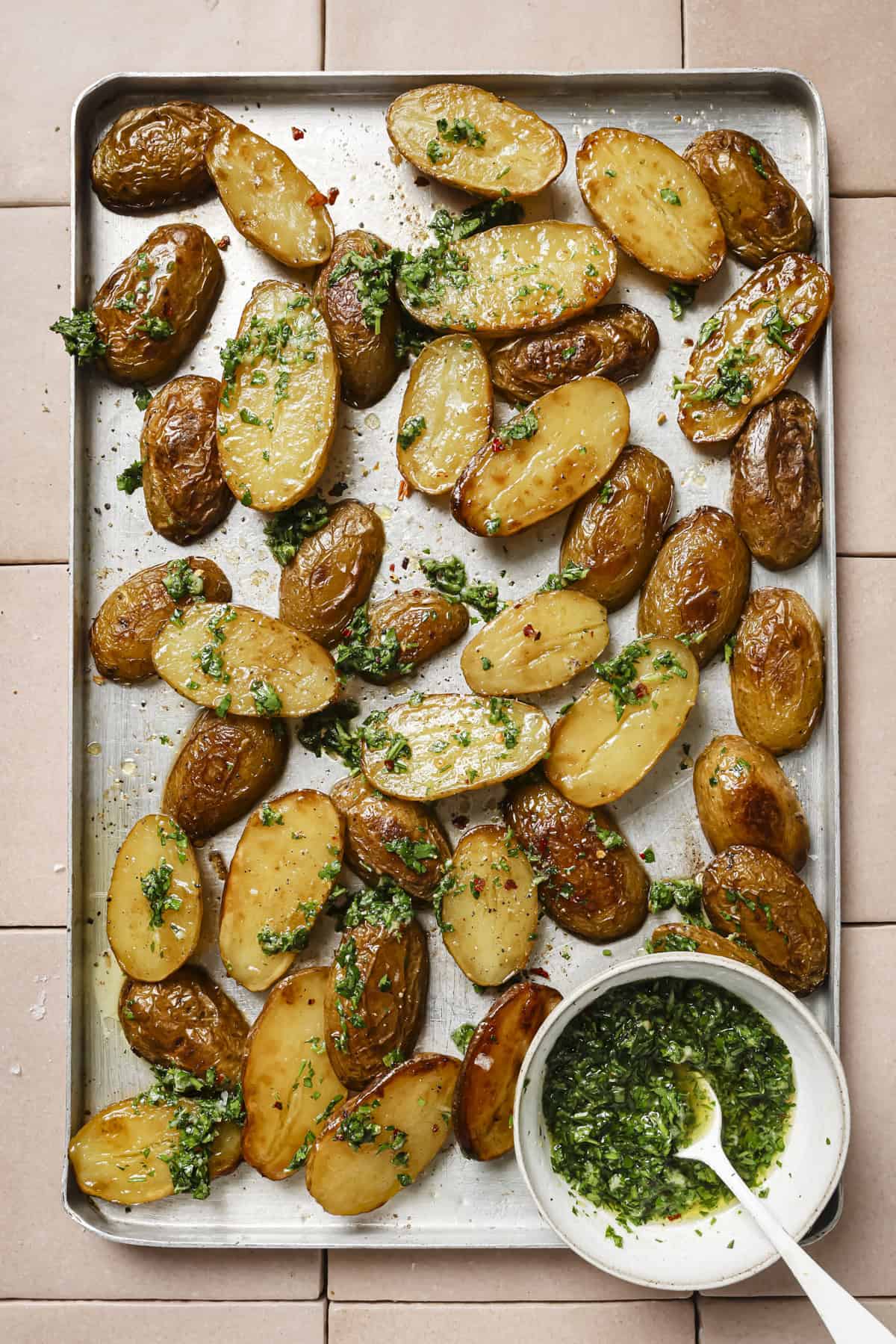
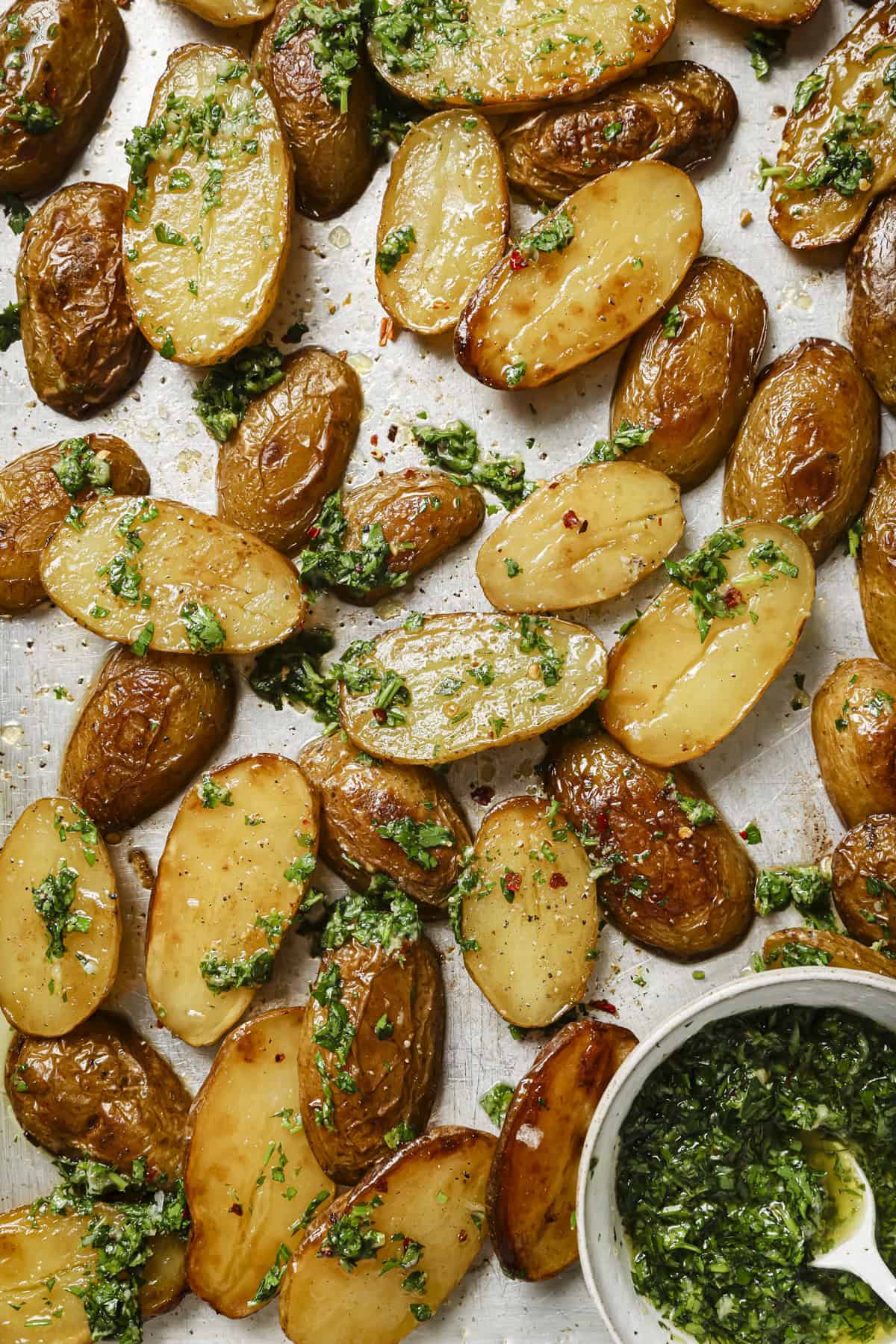
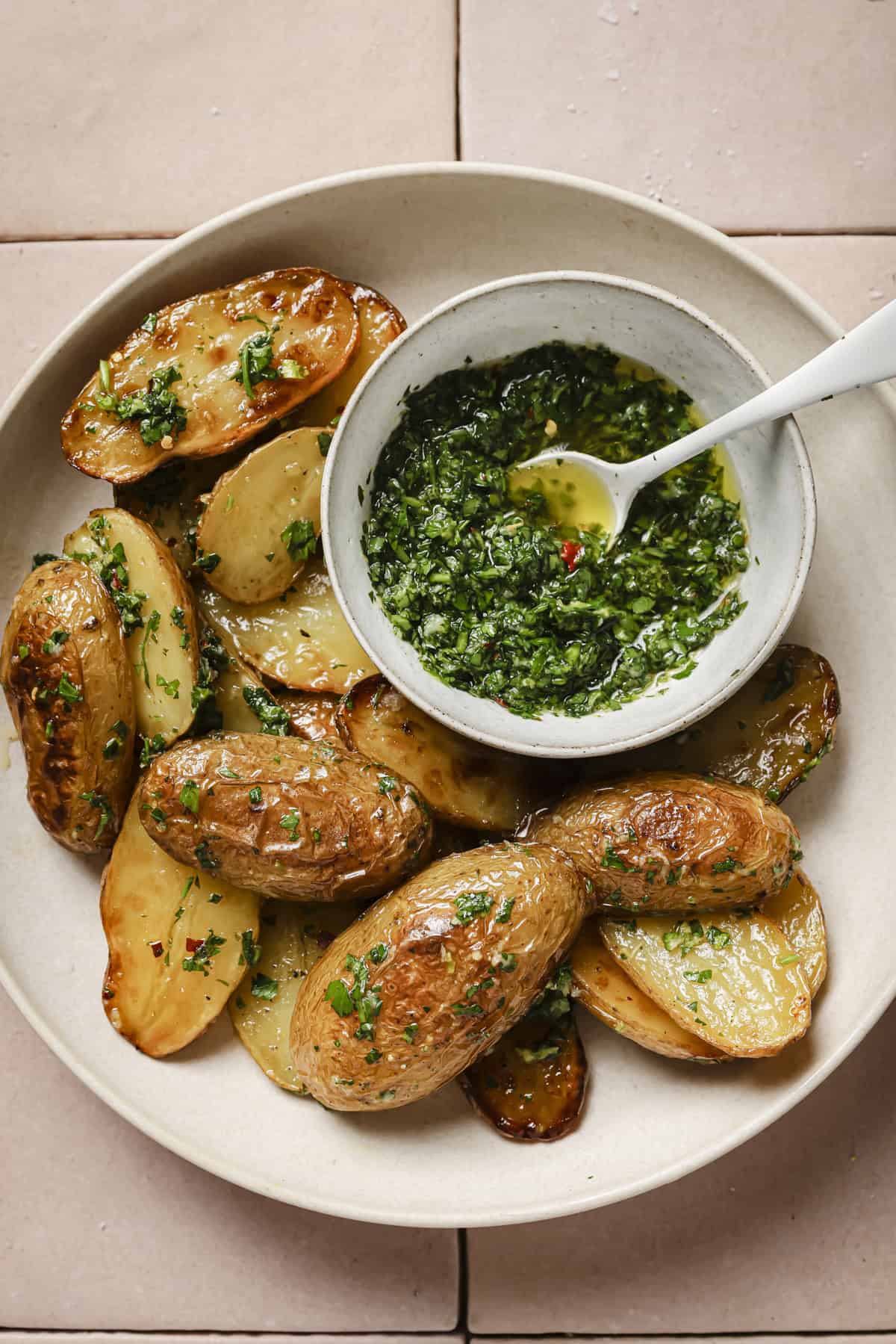
- Sprinkle it over potato salad or roasted potatoes, as shown in the photos
- Swirl it into a soup or stew — potato leek soup, white bean soup, mushroom and lentil stew or some stewed beans would all benefit!
- Sprinkle it over roasted vegetables (like carrots or zucchini– NYT Cooking gift link!) or grilled tofu
- Use it as a garnish for tofu scramble
- Use with pastas or pasta salads
- Liven up rich dishes like polenta or mashed potatoes
- Swirl some into a pot of lentils or beans, like the Really Good Pot of Saucy Beans from Big Vegan Flavor (p. 233)
Storage Instructions
While you can make it an hour or two ahead of time, gremolata is best used fresh and won’t hold up well in the fridge.
If you’re looking to extend the shelf life by a few days, I recommend making the saucy/herb oil version of it, where you add olive oil and a little bit of lemon juice. Store it in a jar and it will stay good in the fridge for several days.
Has this gremolata earned a spot among your favorite condiments? Let me know by leaving a rating and review—I’d love to hear how you’re using this gremolata!

Introducing
Big Vegan Flavor
Techniques and 150 recipes to master vegan cooking.
Gremolata
Ingredients
- 1 ½ loosely packed cups (20g) flat-leaf parsley (leaves only) (see Note 1)
- 2 cloves (8g once peeled) garlic or 1 very fat garlic clove
- 2 medium lemons (I prefer organic since we're using the peel)(see Note 2)
- Flaky sea salt
Optional ingredients for Saucy Gremolata / Herb Oil
- 3 to 4 tablespoons (42 to 56g) extra virgin olive oil, more as needed (see Note 3)
- 2 to 3 teaspoons freshly squeezed lemon juice
- 1 to 2 pinches red pepper flakes or chili flakes of choice
Instructions
- Finely chop the parsley. Using a microplane, zest the lemons on top of the parsley (this is about 2 loosely packed tablespoons of zest, or 4g).
- Using the microplane or a grater, grate the garlic on top as well.
- Mix to combine everything very well, ensuring the garlic is not clumping in areas (using a fork to break up the garlic helps). Sprinkle with a couple pinches of flaky salt. Mix well, then taste and add more salt as needed.
- If you want a saucy consistency / herb oil instead of a dry gremolata, add the gremolata to a bowl and drizzle in the olive oil and lemon juice and stir well. Taste, adding more salt as desired and more olive oil as needed until it’s slightly spoonable. If you want some heat, add a pinch or two of chili flakes.
Notes
- AKA Italian parsley. Do not substitute with curly parsley! For a simple variation, replace half of the parsley with fresh basil or mint leaves. For more variation ideas, check out the Gremolata variations section.
- Use less lemon zest if you don’t love lemon as much as me!
- I recommend a fruity olive oil here, nothing too spicy or bitter.
Nutrition
Nutrition information is automatically calculated, so should only be used as an approximation.
 Love this? Leave a rating below!








I have made gremolata before and the ratios have been off, this one was perfect. Bookmarked!
Thanks for the lovely feedback, Sophie!