


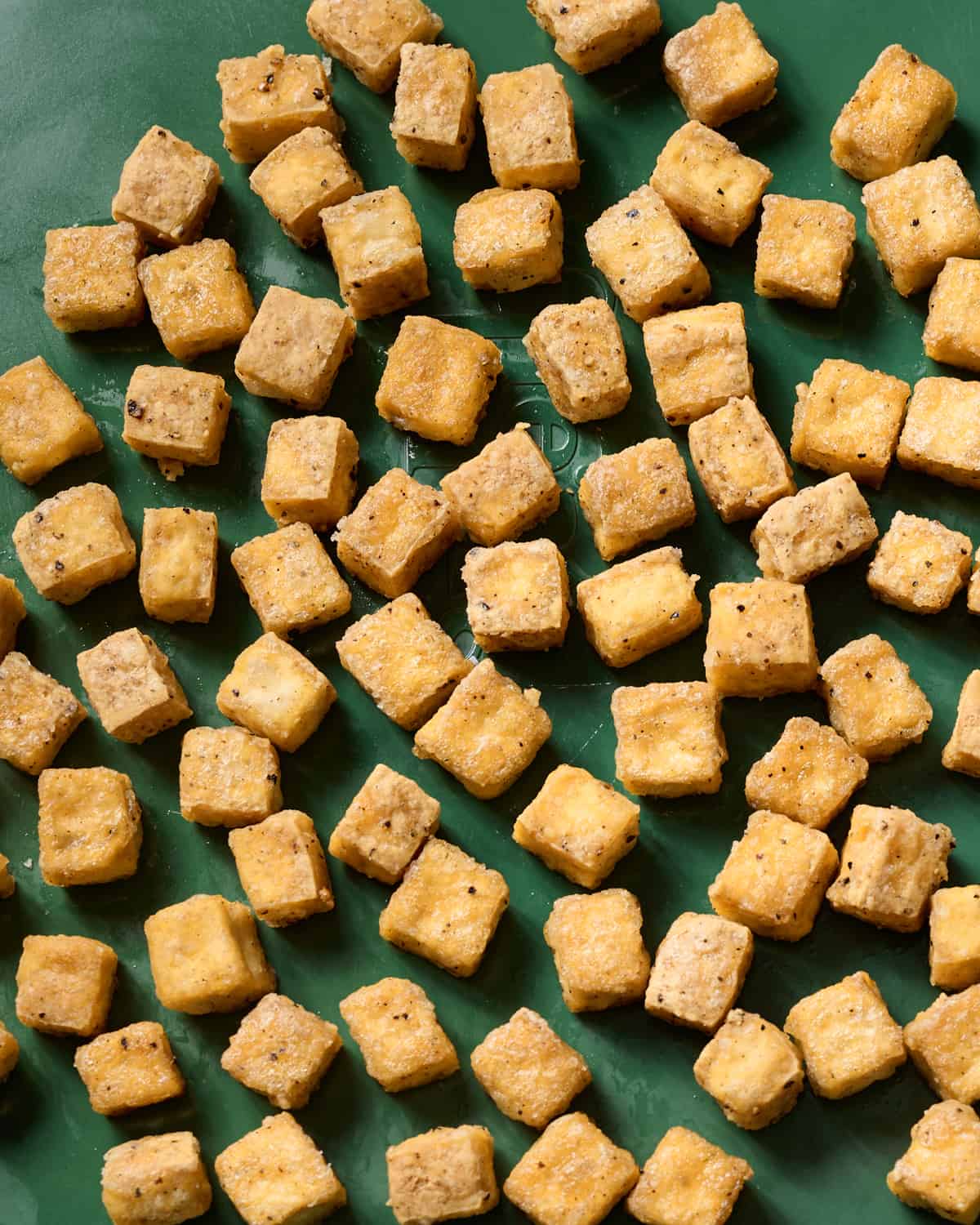
Welcome to Tofu 101
The world of tofu can be a daunting place for a beginner. I certainly didn’t know where to begin when I first went vegan. With so many varieties—some packed in water, others vacuum-sealed, many seemingly spongy, but a few extra wobbly—it can be hard to find a way in.
That’s where I come in. We’ll start from square 1—what exactly is tofu?—and build from there. By the time we’re through, you’ll be well-versed in all things tofu 101.
Plus, I’ll give you some beginner-friendly recipes to accompany each type of tofu, so you can begin your foray into tofu preparation with enthusiasm, not anxiety.
And with that, class is in session! I’m so glad you’re here.
Looking for info on cooking tofu?
Jump to my comprehensive Guide to Cooking Tofu! Or if you’re ready to whip something up right now, choose from 40 terrific tofu recipes here!

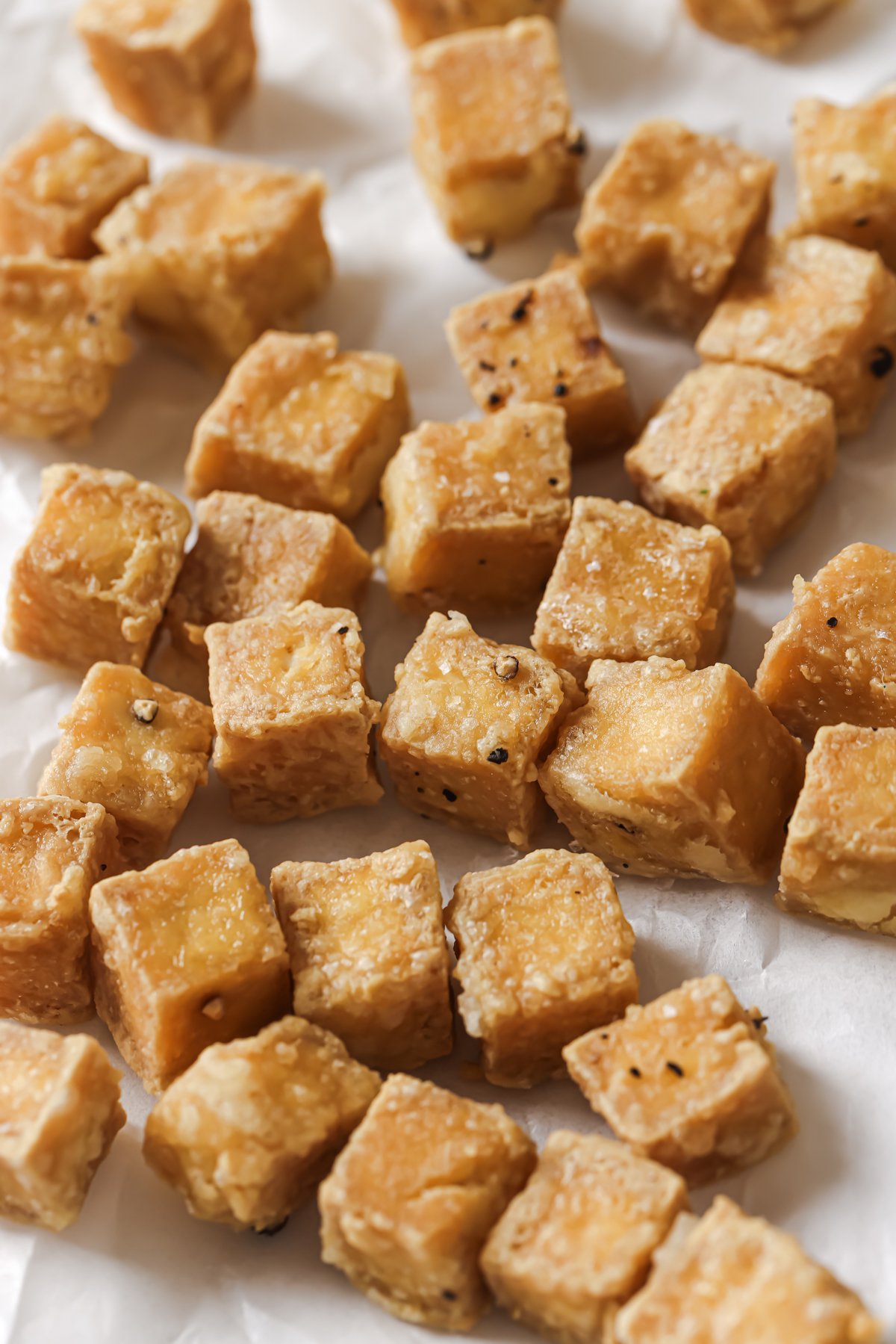
In this post:
Meet your chef
Why should you let me be your guide through the world of cooking tofu?
- I’ve been cooking tofu for a decade, and have published over a dozen of the most popular tofu videos on YouTube, with a combined 8 million+ views.
- My recipes are trusted by experts. I hate self-promotion but am apparently supposed to do it, so this is where I tell you I’m a NYT Cooking contributor (and my tofu recipes are pretty popular there!). I’m also a vegan cooking expert for Chowhound and Tasting Table, and my most recent cookbook (packed with tofu recipes) was an NYT bestseller and James Beard nominee.
- I love the science of tofu so much, I spent weeks researching the best methods to make crispy tofu at home:

With over 1.2M views, this video was a huge hit with my audience!

What is tofu?
Tofu is a soy product made from soybeans and water (AKA soy milk). The two are cooked together with a coagulant (usually nigari or gypsum) to help curdle the mixture. Those curds are then pressed into a solid block and left to cool.
And technically, you can eat tofu straight outta the container (it’s safe), but it’s likely not going to make your tastebuds dance (it’s pretty bland and often wobbly in texture).
However, because of this very sponge-like texture and neutral flavor, tofu can absorb other seasonings, sauces, and marinades quite well…depending, of course, on how you prepare it.
Is tofu healthy?
Don’t listen to the fear-mongering about soy products! It’s been proven again and again that minimally processed soy-based foods like tofu are not bad for you.
On the contrary, tofu comes with heaps of health benefits! A 3-ounce serving of extra firm tofu has just 70 calories but 8 grams of protein, 2 grams of fiber, 10% of daily calcium needs, 8% of daily iron needs, and 0g of saturated fat.
Also, a range of esteemed medical studies have repeatedly shown that moderate consumption of natural soy products like tofu (or tempeh, edamame, or soy milk) is associated with good heart health and linked with reduced risk for certain cancers, particularly breast and prostate cancer.
PS: “Moderate” consumption is considered up to twice a day, which is more than most people eat!
Different types of tofu
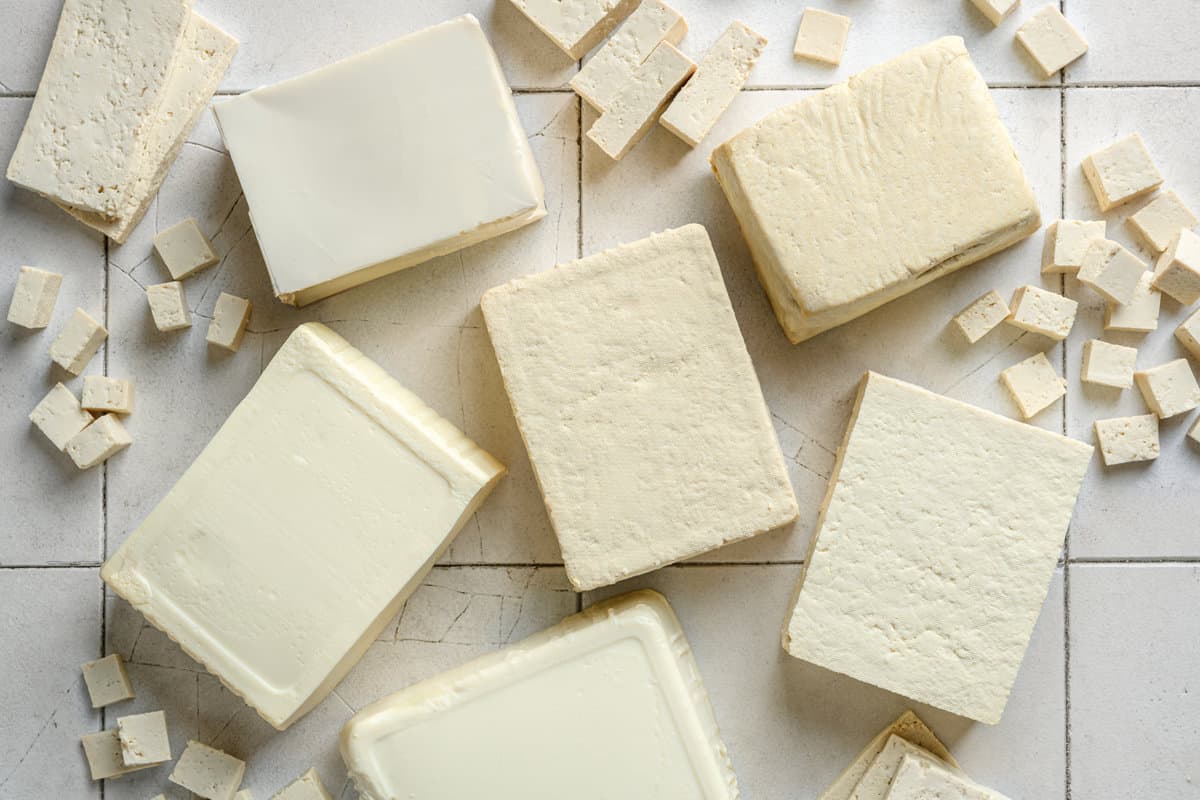
Tofu comes in a wide range of varieties, spanning the textural spectrum from watery and soft to more coarse and porous.
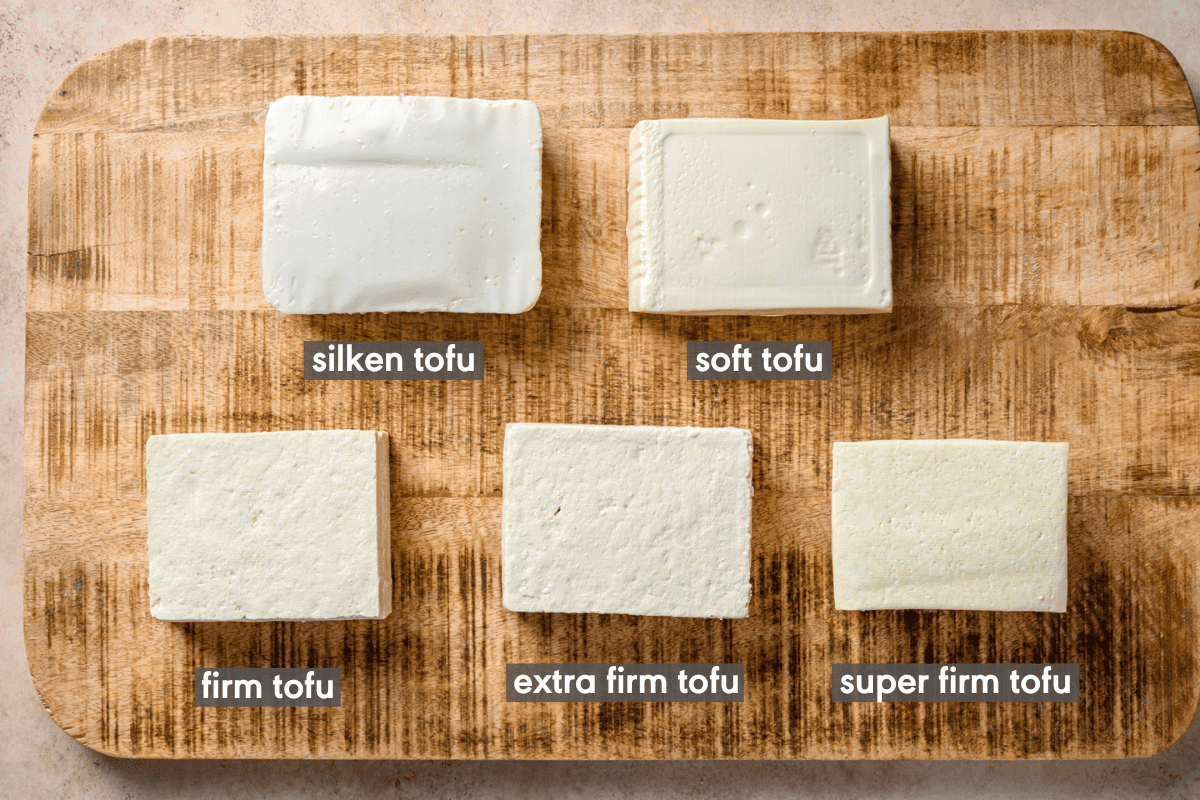
To start, you simply need to know that there are two main varieties of tofu: (1) silken tofu and (2) “regular” tofu or block tofu.
Silken Tofu
Silken tofu is a “fresh” (uncooked) and very soft Japanese-style tofu. As the name suggests, it’s silky to the touch and very delicate. It contains so much liquid that if you were to pick it up, it would fall apart.
Variations
The tofu family tree diverges further here, as there are two varieties of silken tofu: refrigerated and aseptic (shelf-stable). Either variety works in most recipes that call for silken tofu, but if you’re curious about their differences, here are the highlights:
Refrigerated silken tofu
- I typically opt for this because I slightly prefer the taste over the shelf-stable, aseptic silken tofu varieties.
- It’s sold alongside other blocks of tofu (e.g., firm tofu) at most grocery stores.
Aseptic silken tofu
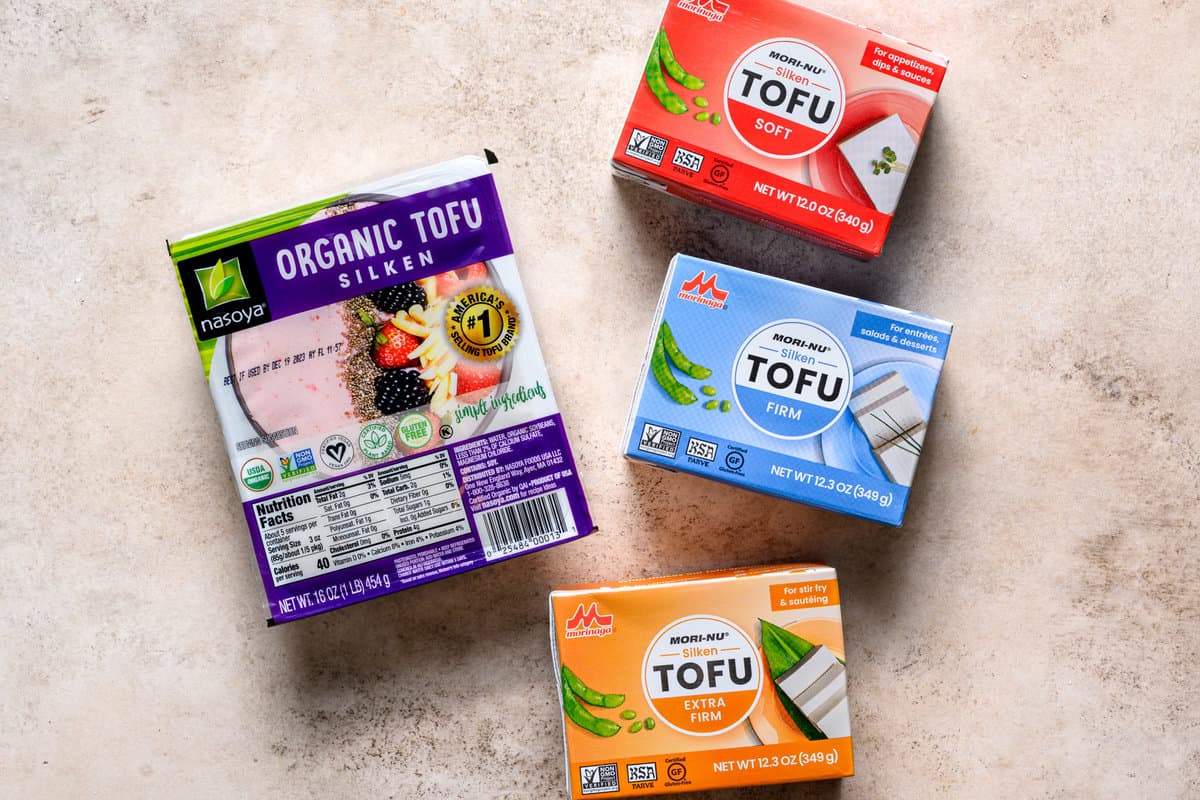
- These are shelf-stable and typically sold in cardboard packages in the pantry aisle or Asian grocery aisle of the supermarket.
- They come in several varieties (e.g. silken soft, silken firm, silken extra firm)
- The most common brand you’ll see is Mori-nu/Morinaga.
- I opt for these if I need a specific type of silken tofu (e.g., silken firm), though that’s pretty rare.
Tips for success
- Always handle silken tofu with care. It’s the most delicate type of tofu and will crumble very easily!
- Do not press silken tofu. Instead, simply drain the excess water from the packaging.
Silken Tofu Recipe Ideas
Keep it raw
Silken tofu’s soft, watery nature makes it a fantastic choice for serving raw or blending and pureeing. It lends a creamy, melt-in-your mouth consistency to recipes without requiring you to find a suitable heavy cream alternative!
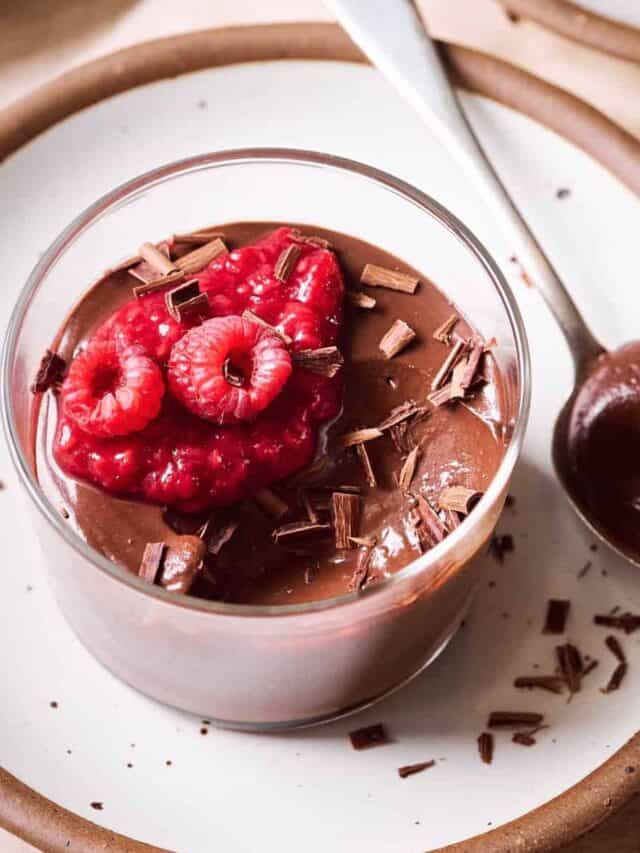
- Silken tofu is wonderful in raw or uncooked desserts. It’s the star ingredient in my dreamy, indulgent Vegan Chocolate Mousse—the tofu doesn’t add any flavor, just its luscious texture!
- Silken tofu can also be used with great results in French Toast batters. After reviewing a dozen classic French toast recipes, I determined the ideal ratio of fat and protein, and realized that the combination of soy milk and silken tofu (and vegan butter) was the perfect way to veganize French toast.
- Bulk up your breakfast smoothie without adding chalky protein powder: simply blend some silken tofu into your favorite smoothie recipe.
- Add silken tofu to creamy dips or salad dressings for textural indulgence! If you have my cookbook Big Vegan Flavor, definitely try the All Hail Caesar Dressing on page 155. You would have no idea the main ingredient is silken tofu!
Use it as a vegan egg substitute
Silken tofu can be a great substitute for eggs in recipes that rely on eggs for moisture (but not as a leavening agent). The tofu will provide moisture and binding to the baked goods.
Use ¼ cup silken tofu for every 1 egg and add ⅛ to ¼ teaspoon of baking soda to help the baked goods rise.
Fry it
- In Chinese and Korean cuisine, silken tofu is often fried, then braised with stir fry vegetables in a Shaoxing wine-based sauce, like in this recipe by The Woks of Life.
- This vegan hot plate recipe from my friend Woon Heng is similar but the tofu is cooked in a richer sauce made with liquid vegan eggs.
Add toppings and eat cold!
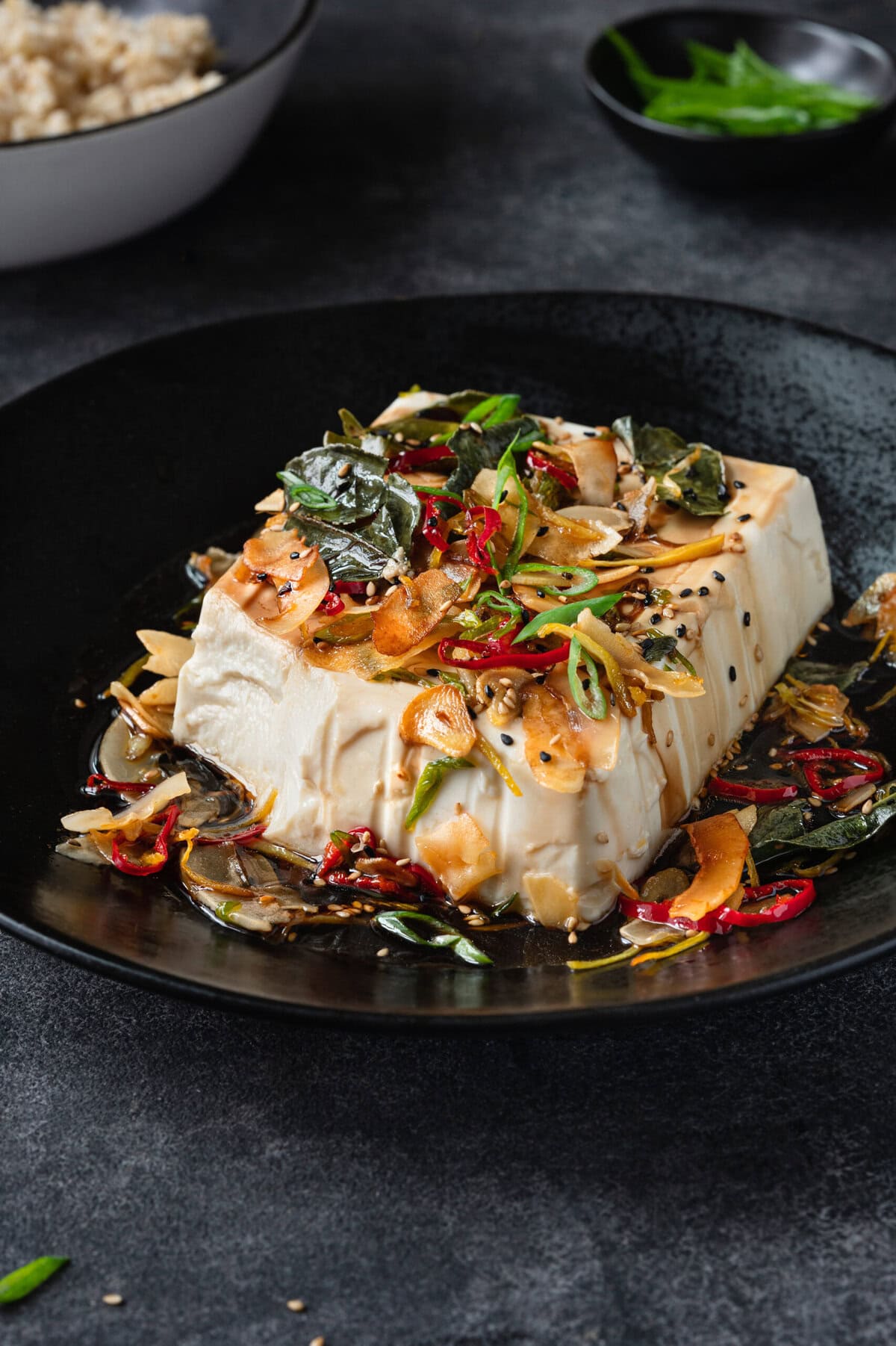
- My favorite lazy way to enjoy silken tofu is to arrange the cold block on a plate and then cover it with a super flavorful Asian-style dressing or topping. For the simplest option, try a mixture of Chinese chili crisp, soy sauce, and black vinegar. If you’re feeling a little fancier, try the Cold Silken Tofu with Coconut-Ginger-Lime Crisp on page 284 of Big Vegan Flavor.
Soft Tofu
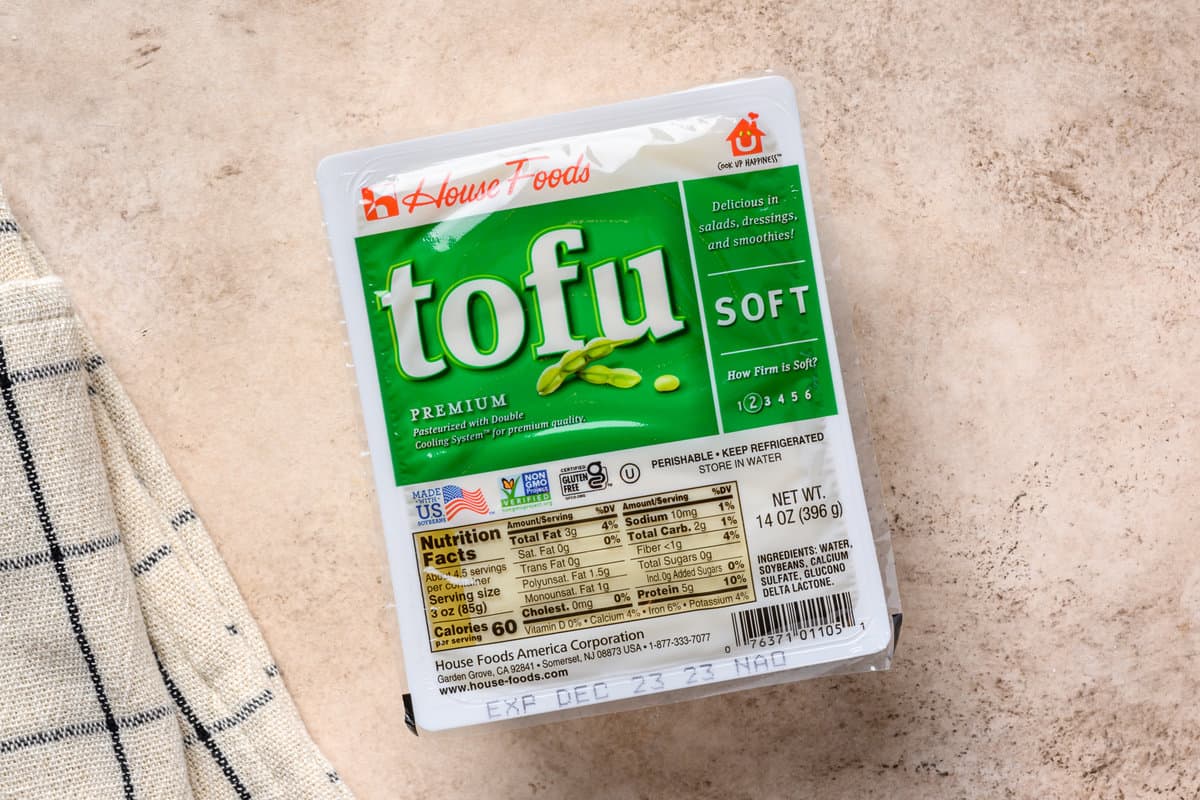
This is the first of the “block-style” tofu varieties. It’s nearly as soft and delicate as silken tofu, but is firm enough to not fall apart when you handle it.
Tips for success
Soft tofu can often be used interchangeably with silken tofu, which is great news if you ever can’t find silken tofu. It acts very similarly to silken tofu when blended into mousses or puddings, lending creaminess without detracting from the flavor of the recipe.
Soft Tofu Recipe Ideas
Keep it raw
An easy way to enjoy soft tofu raw is in a cold tofu salad. Toss the cold tofu cubes with a soy-based sauce and top with aromatics like scallions, sesame seeds, and fresh chili peppers.
Scramble it
If you like your scrambled eggs on the soft side, swap soft tofu for the firm tofu called for in my Tofu Scramble!
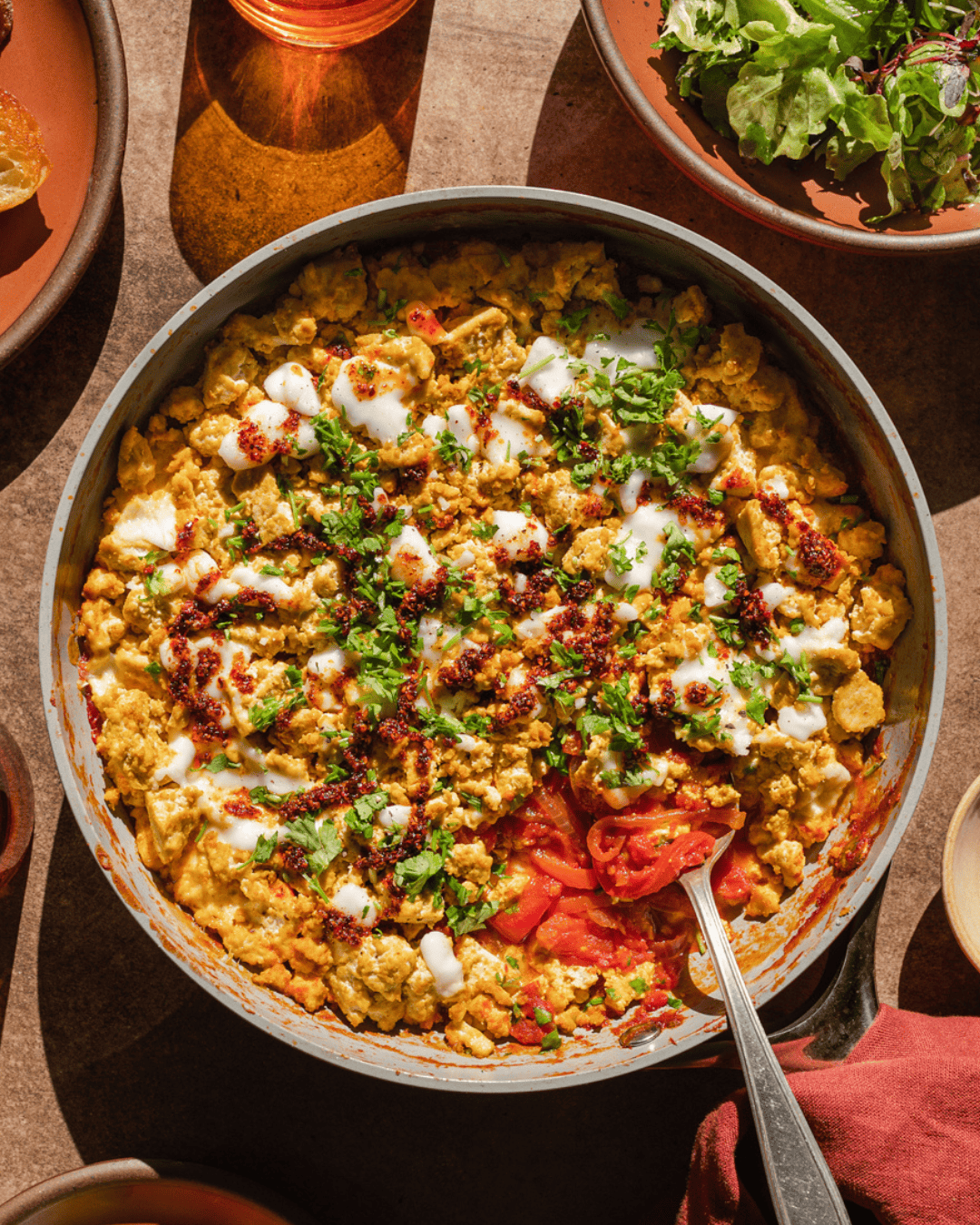
If you have my cookbook Big Vegan Flavor, definitely try the Scrambled Shakshuka on page 437. Soft tofu is tossed with nutritional yeast and turmeric, then gently ensconced in the most flavorful spiced tomato sauce, dolloped with vegan feta, and baked in the oven.
Firm tofu
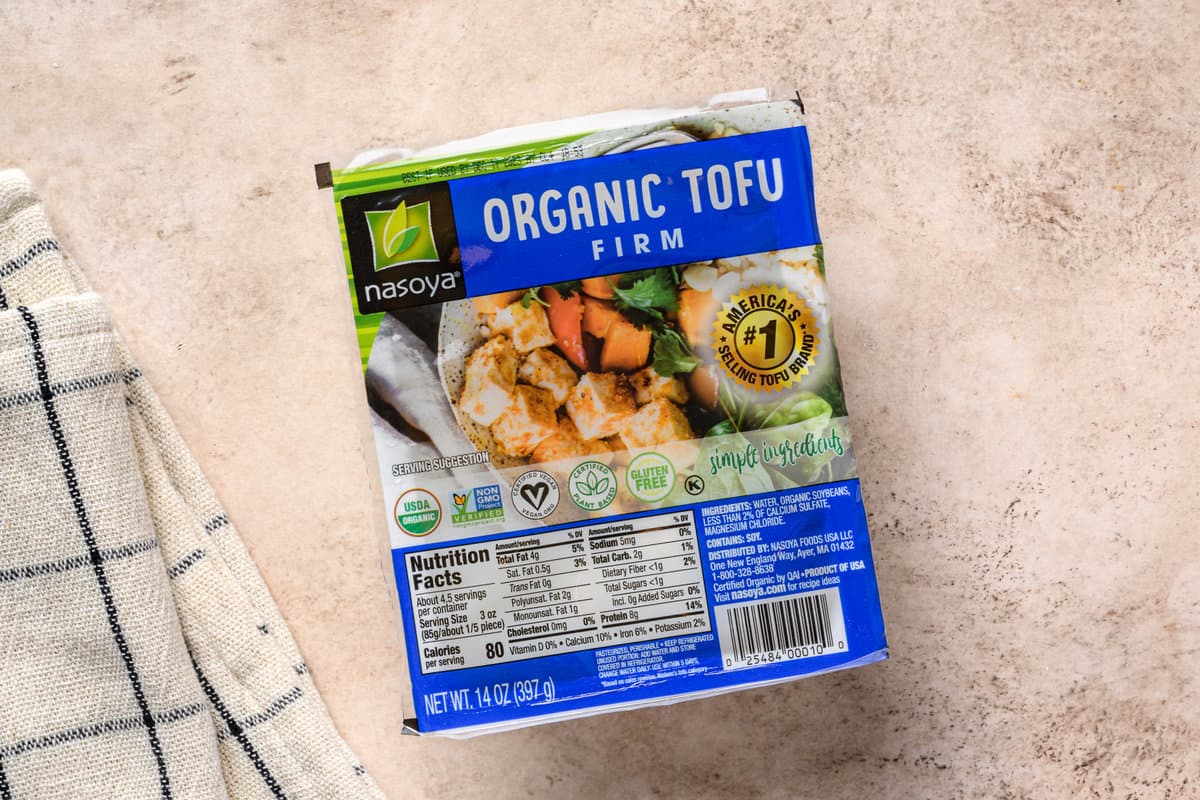
Widely-available in almost any grocery store, firm tofu is quite compact and is easy to crumble or slice, then cook. It’s not quite as meaty as extra and super firm tofu, but still works well for pressing, marinating, and frying. And because it’s slightly softer than other firm varieties, it soaks up flavors really well.
Tips for success
- Turn to firm tofu when you want to pan fry, deep fry, braise, or even bread tofu but want the tofu to remain somewhat soft on the inside.
- Firm tofu benefits from being pressed ahead of time. Pressing is the process of placing heavy objects on top of the tofu to encourage the excess water to drain. In the end, the tofu becomes firmer, denser, and less watery, which enables the tofu to crisp up better and to absorb more flavor. For an in-depth guide on pressing tofu, as well as other methods of tofu preparation, check out my Complete Guide to Cooking Tofu.
Firm Tofu Recipe Ideas
Use as an egg substitute
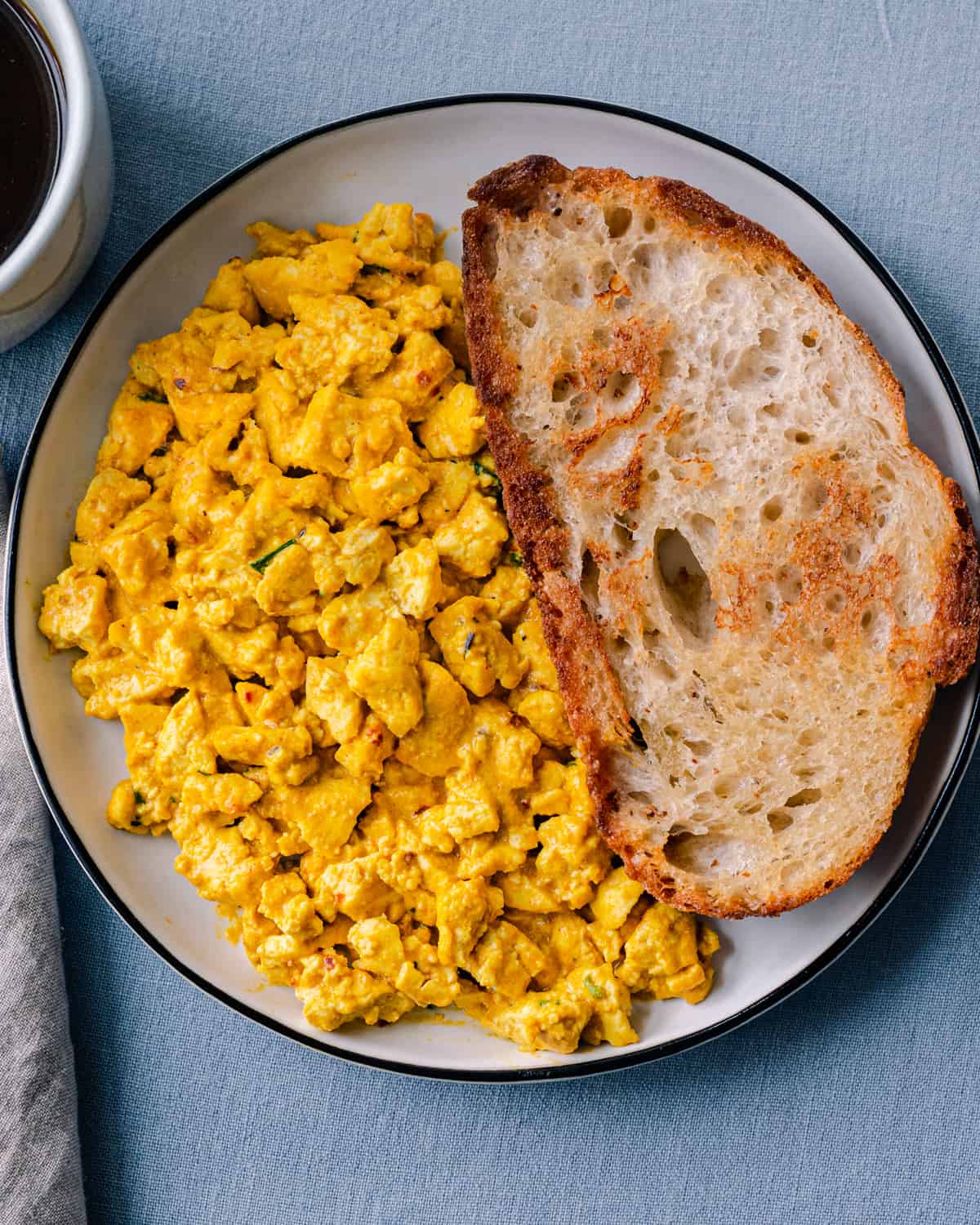
Firm tofu’s soft-but-not-too-soft texture makes it the perfect option in my Tofu Scramble, which is shockingly similar to scrambled eggs (many of you make on a weekly basis, and so do I!). Firm tofu is also the secret ingredient in my undetectably Vegan Egg Salad (the tofu is diced into tiny cubes instead of crumbled for maximum textural enjoyment).
Use in stir-fries and braised applications
While my Tofu Stir Fry and Braised Tofu call for extra firm tofu, you can use firm tofu in either recipe if you prefer a softer interior.
Feeling frisky? Deep fry it!
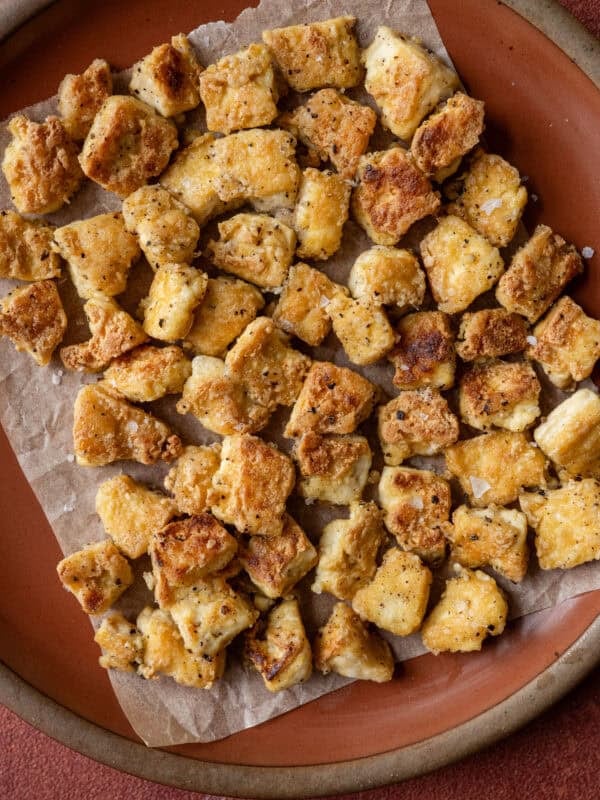
Unlike extra-firm tofu which can get too crunchy and dried out when deep-fried, firm tofu develops a shatteringly crunchy crust but stays moist and tender on the inside.
The Indian Tofu 65 in my cookbook Big Vegan Flavor (page 477) is possibly my favorite use for firm tofu ever. You can also try my Chinese salt-and-pepper fried tofu (featured in this video on crispy tofu techniques).
Extra-Firm Tofu
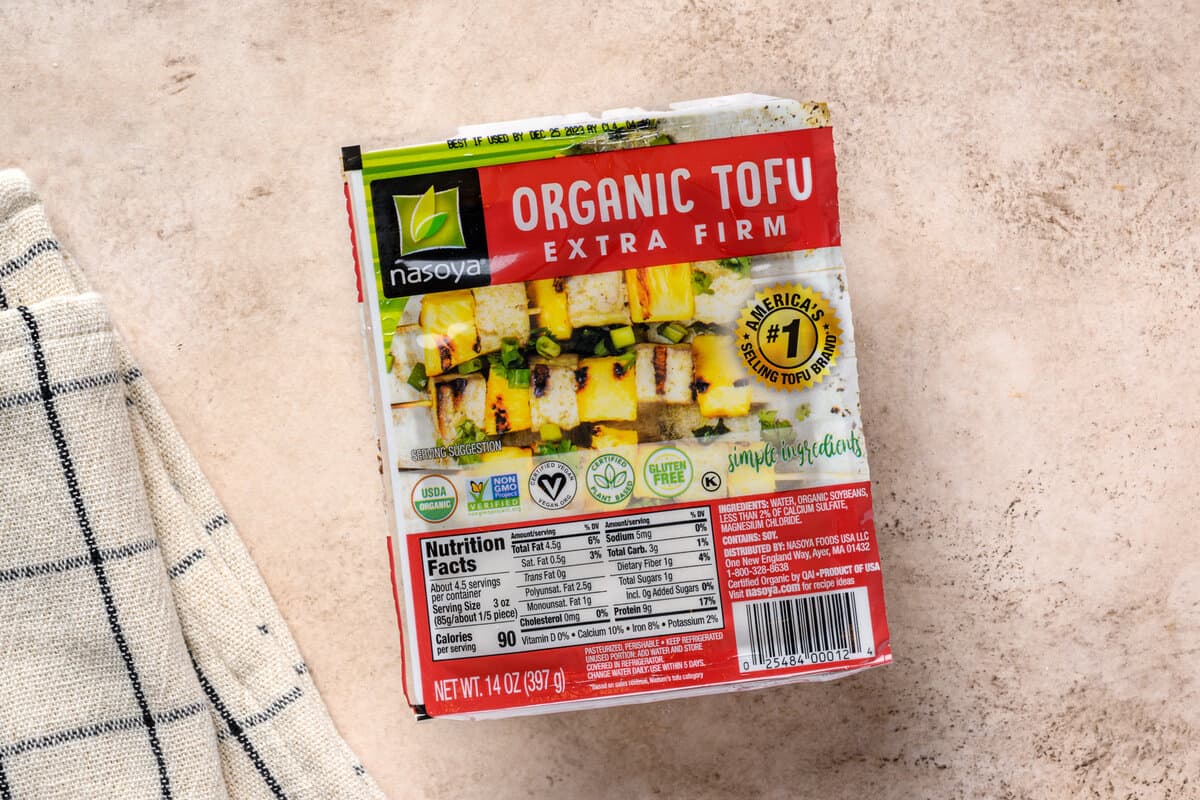
As the name suggests, extra-firm tofu is firmer than firm tofu and contains even less water. This makes it a super versatile vegan meat alternative that will soak up any flavors you throw at it. I use extra firm tofu in many of my recipes because it’s widely available, doesn’t need to be pressed for very long, and is less delicate to handle.
Tips for success
- In general, you can cook extra firm tofu any way you cook firm tofu!
- Extra firm tofu’s texture can handle being cooked over high heat, so it does beautifully when pan-fried, air-fried, baked, braised, and even grilled! The outside becomes golden and crispy while the inside remains tender.
Extra-Firm Tofu Recipe Ideas
Bake it, fry it, grill it
- Keep this recipe in your back pocket—it’s my go-to, super simple Baked Tofu, and the finished product can be thrown into nearly any meal for a protein boost!
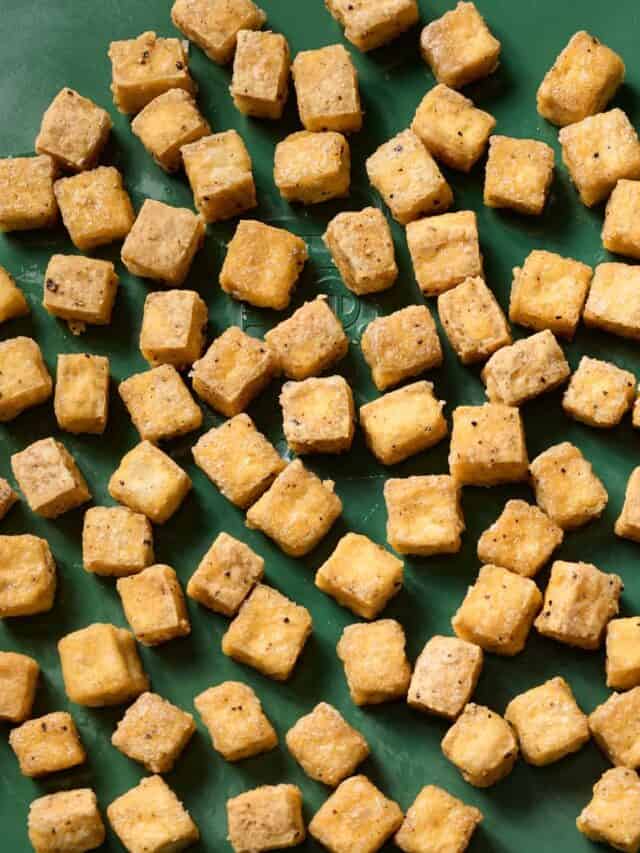
- Another basic staple in my repertoire is Fried Tofu. This recipe is simple and straightforward and will yield delightfully crispy tofu you can use in all kinds of recipes. Or, for a more advanced pan-fried tofu recipe, try this vegan bánh mì sandwich.
- Air fryer fans, I got you—here’s my favorite method for Crispy Air Fryer Tofu.
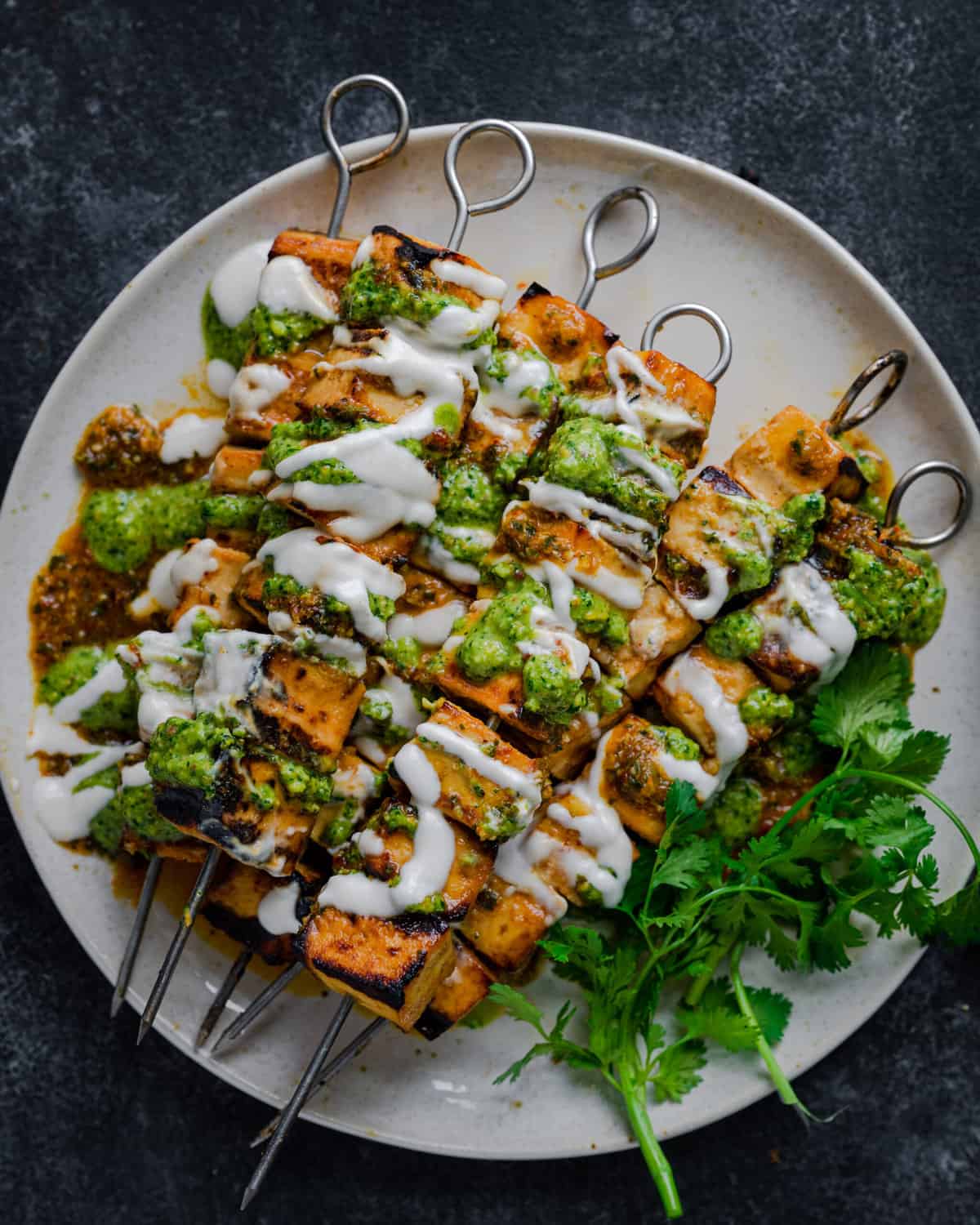
- Barbecue or cookout coming up? Try threading tofu cubes onto skewers and grill ‘em (or grill tofu slabs as “steaks”).
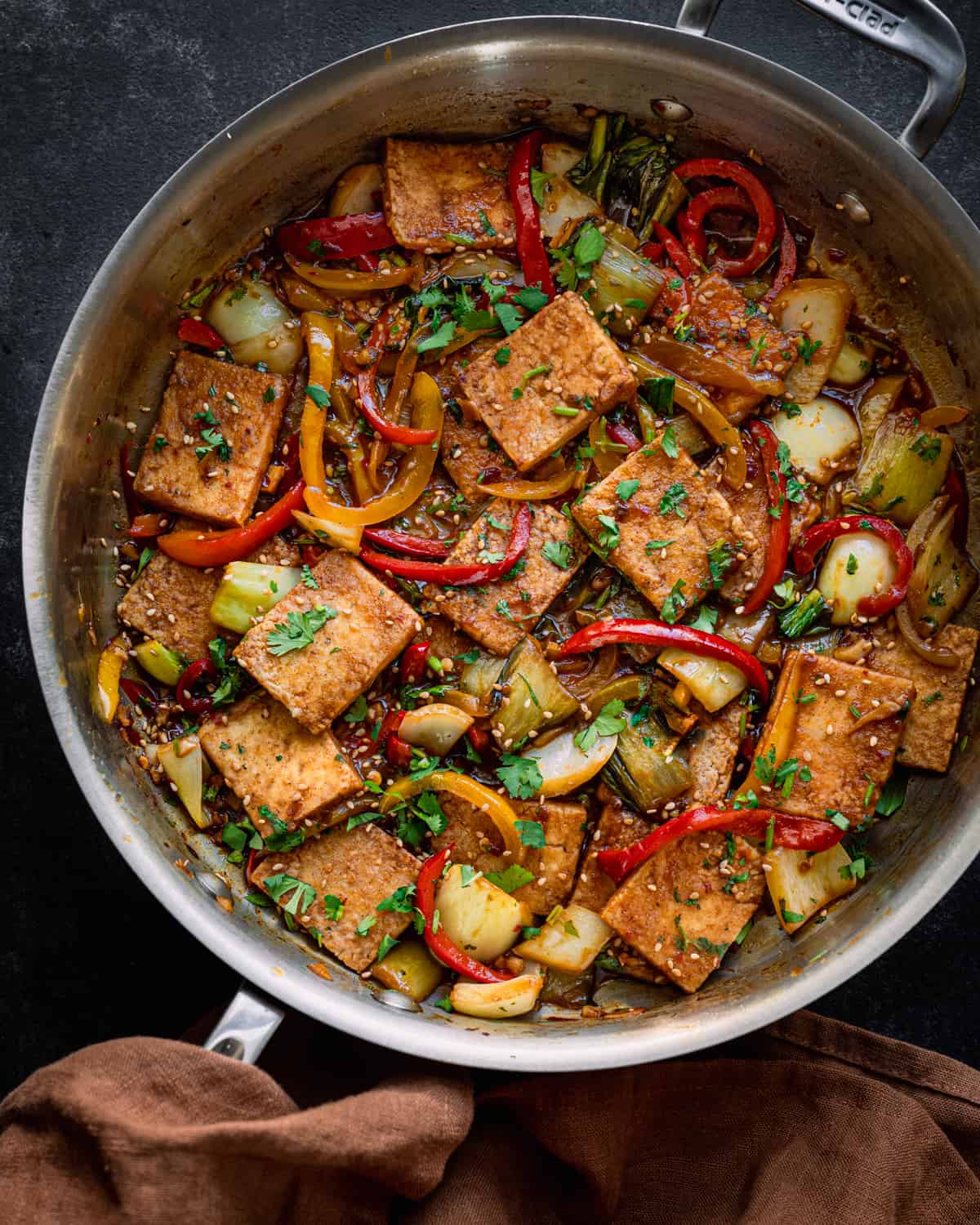
- And, of course, you can’t go wrong with stir-frying extra firm tofu! Try my classic Tofu Stir Fry, or my Spicy Noodle Stir Fry with Salt & Pepper Tofu recipe on NYT Cooking (gift link!).
Marinate it
- My Marinated Tofu recipe will walk you through how to infuse previously frozen extra firm tofu with big, bold flavors by soaking it in vibrant sauces (the freezing process helps the tofu absorb even more marinade!).
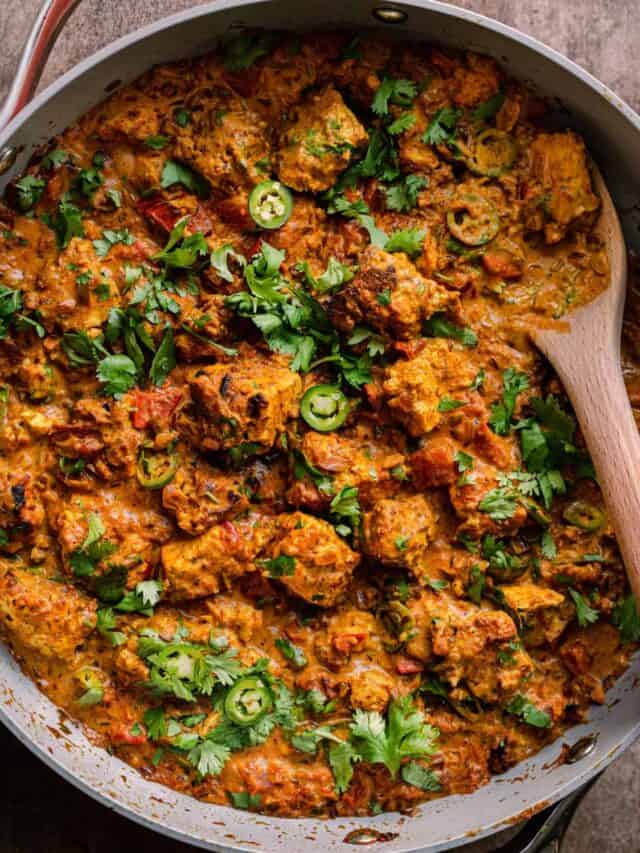
- Once you’re familiar with the process, you can (and should) use this skill in making my seriously delicious Tofu Tikka Masala, which involves marinating extra firm tofu cubes in an aromatic yogurt sauce before broiling them and tossing them in a masala! Or if you want to stick to the stovetop, try my Indian Tofu Curry.
Turn it into vegan cheeses
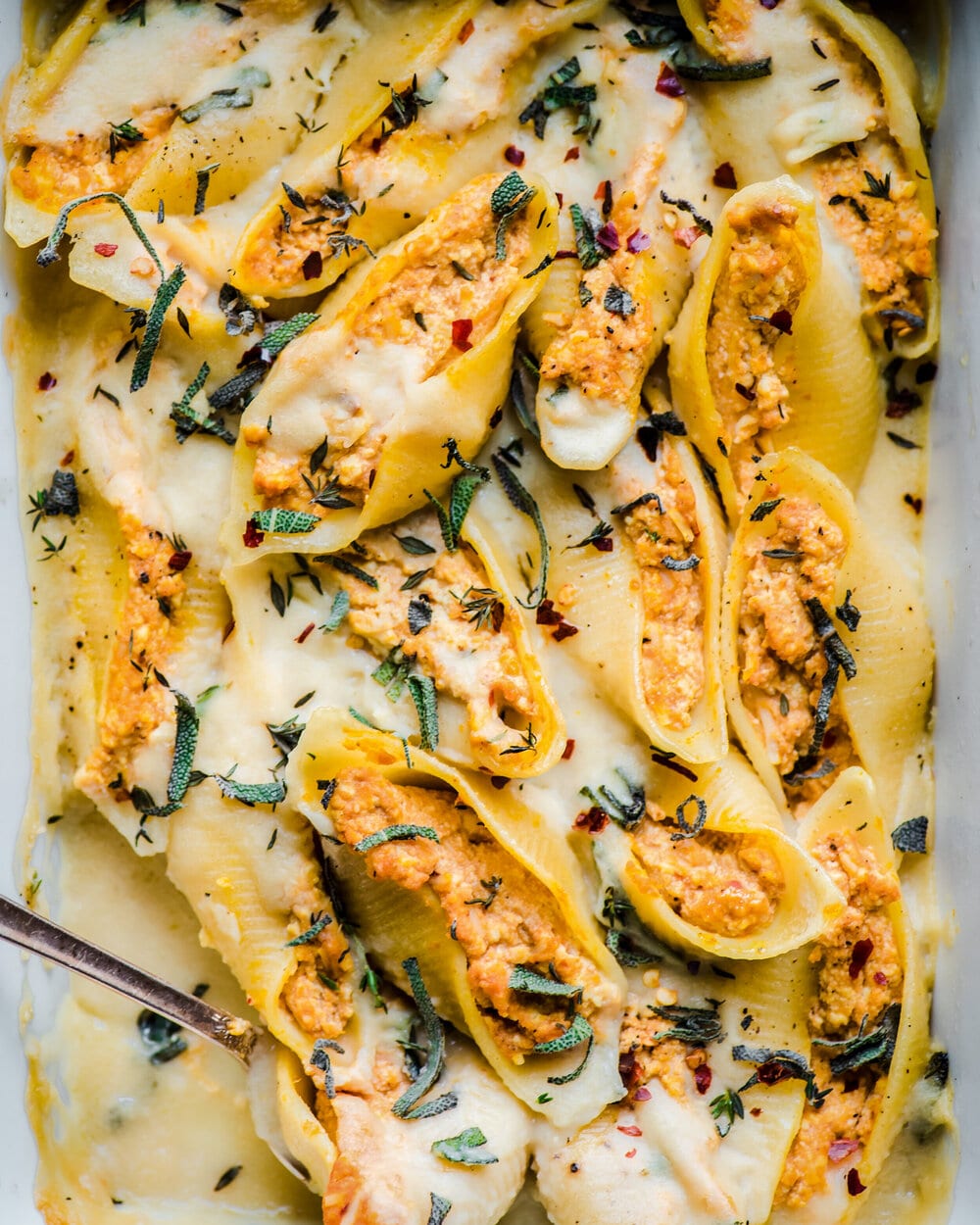
- Extra firm tofu is lovely in my Whipped Tofu Ricotta (NYT gift link!)—it’s so good, I eat it by the spoonful straight out of the food processor, but you can also find this delectably creamy vegan cheese in my Pumpkin Stuffed Shells or epic Sexy Skillet Lasagna on page 519 of Big Vegan Flavor.
- My Vegan Feta uses a Greek-style marinade to impart zesty, herbaceous flavors to small cubes of extra firm tofu, replicating the briny tang of classic feta!
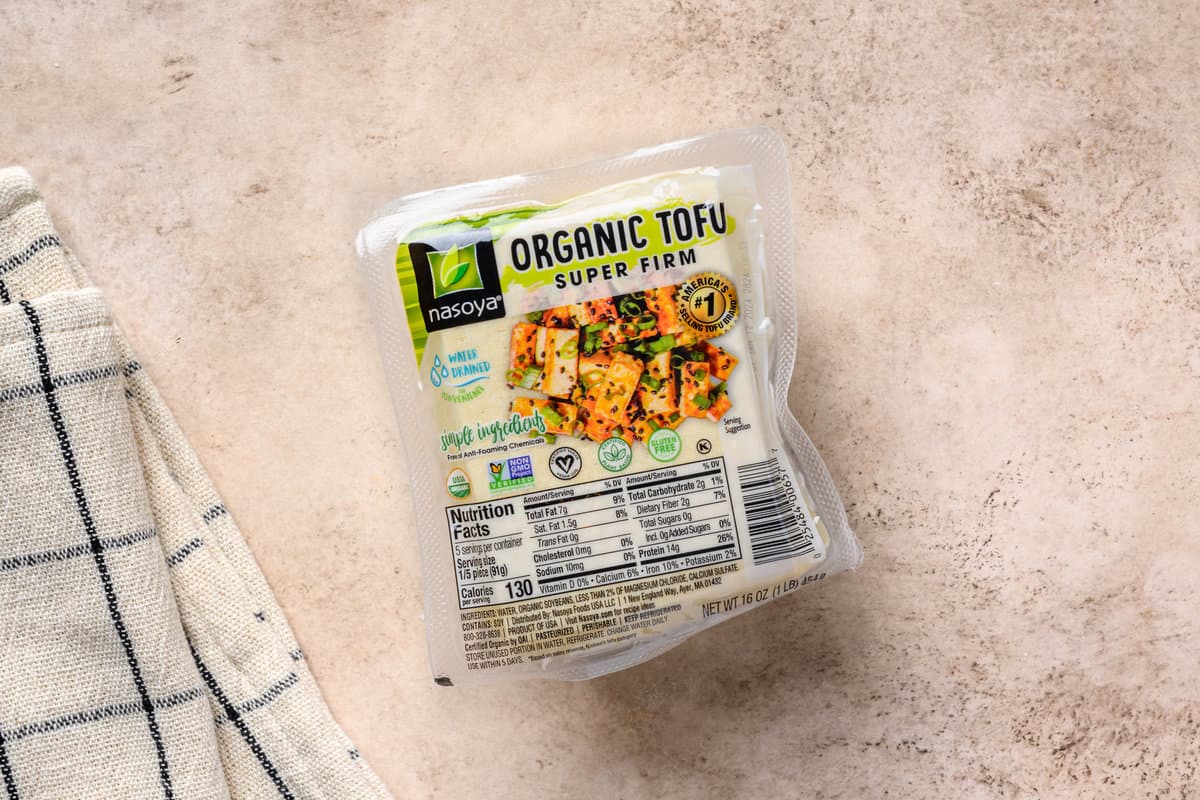
Super-Firm Tofu
We started our tour of tofu types at the watery end of the moisture-content spectrum, and we have now reached the other extreme: super firm tofu contains very little water.
There are some attractive benefits to cooking with super firm tofu, but also a few tradeoffs that come, part and parcel, with using the densest variety of tofu.
Pros
- The density of super firm tofu means it very successfully mimics the texture of meat, making it a great choice for a meat substitution.
- Because it contains almost no water, it doesn’t need to be pressed ahead of time, cutting down on prep time in recipes.
- It’s super high in protein (again, because it contains so little water).
Cons
- Super firm tofu is generally the most expensive tofu option available, because the water has already been pressed from it.
- Due to its density, there are certain contexts in which it doesn’t soak up flavor as well as softer tofu varieties (for instance, if you are marinating tofu, I would not recommend using super firm tofu).
Tips for success
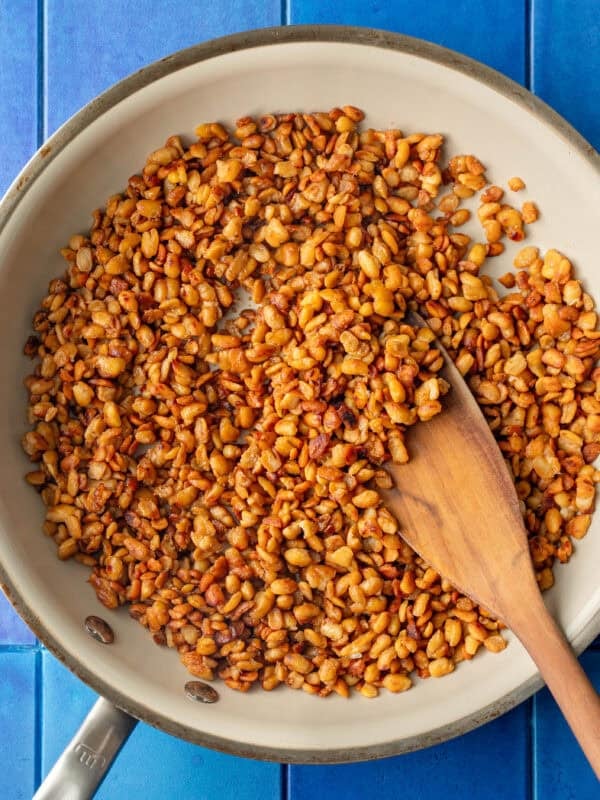
- Super firm tofu is ideal for crumbling, slicing thinly, or even shredding using a box grater (like you would a block of mozzarella!). Once you’ve got your crumbles or shreds, pan fry them in a bit of oil over medium-high heat until golden brown and crispy!
- This is the best variety of tofu to use for vegan chicken recipes, particularly if you’re looking to replicate chicken nuggets! Rip the tofu into cubes, toss them in poultry seasonings and breading, and fry or bake until crisp and crunchy.
Super-Firm Tofu Recipe Ideas
Crumble it
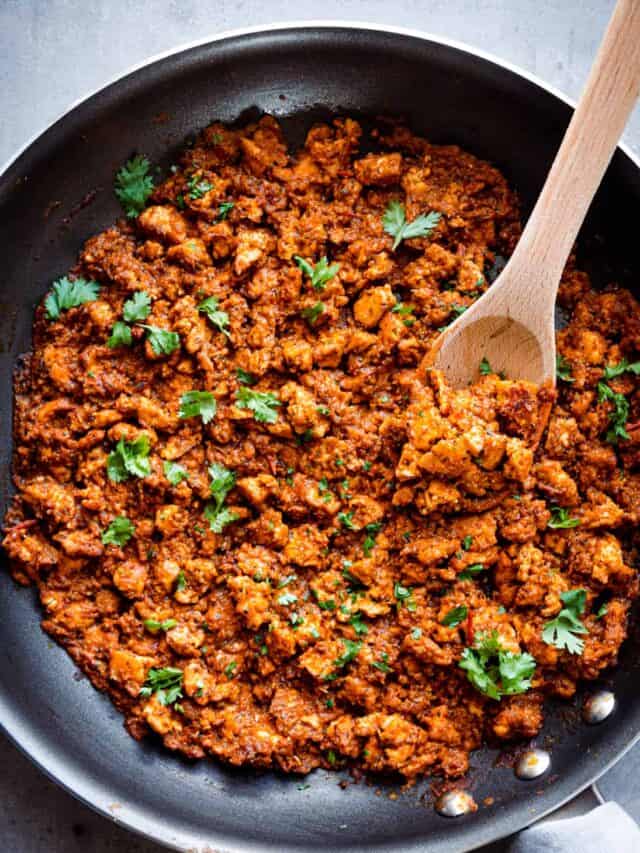
This is a great beginner-friendly way to cook super firm tofu—crumbling it, then pan-frying. The morsels become golden and crispy so easily! Try this method in:
- My Creamy Coconut Rice
- Vegan Burrito Bowls with homemade Sofritas
Grate it
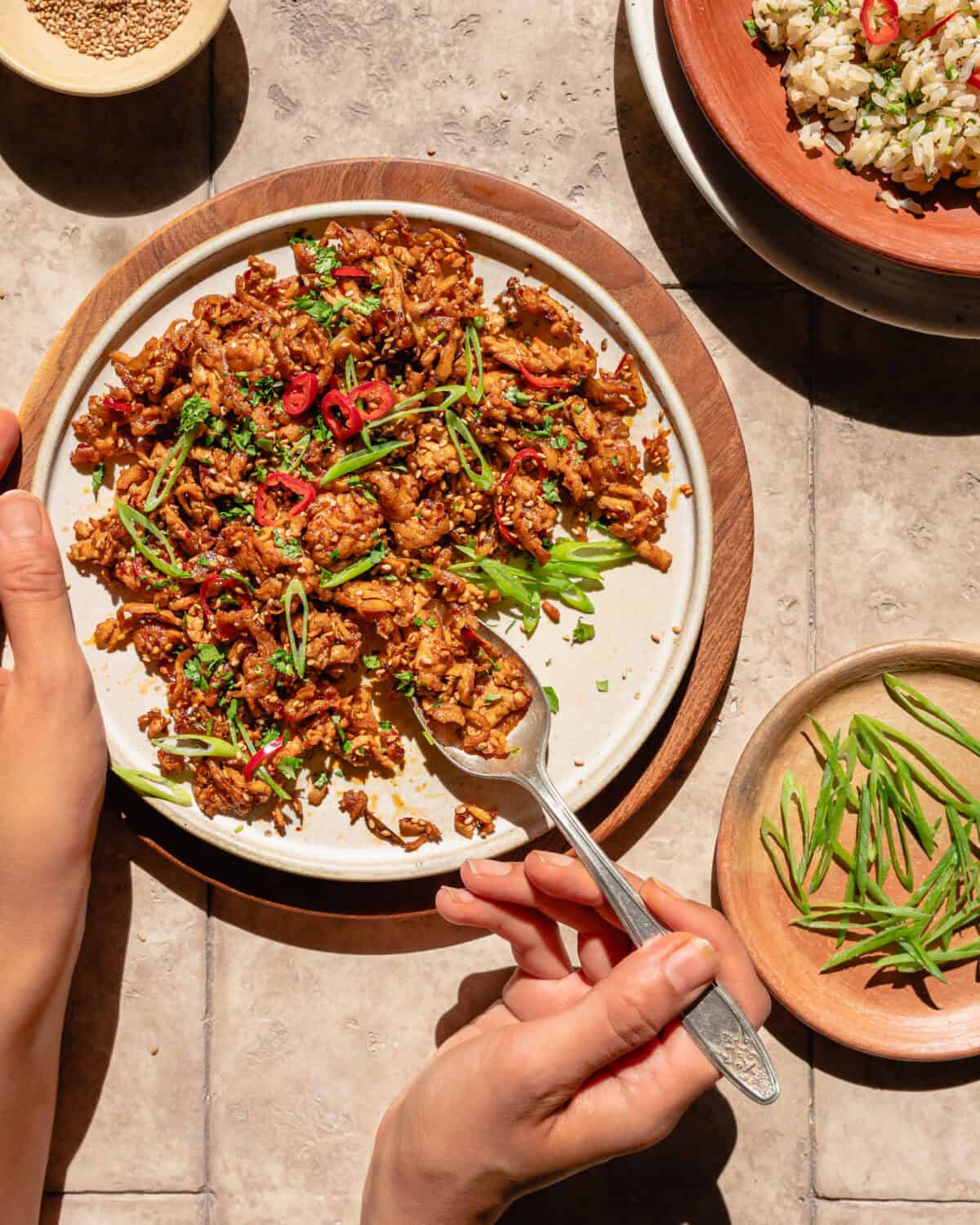
Hop on over to NYT Cooking to see my recipe for I Can’t Believe It’s Not Chicken (Super-Savory Grated Tofu)(gift link!), or find it on p. 281 of my cookbook, Big Vegan Flavor. It uses the box grater method I mentioned above to shockingly chicken-y effect.
A tofu amateur no more
Congratulations on completing Tofu 101! Your days of doing noncommittal drive-bys of the tofu section in the grocery store are officially behind you. You are now ready to make a complete stop in front of the tofu shelves, gaze down upon the varieties, and select one or two to take home and experiment with!
That being said—if you’re looking for more in-depth instruction on cooking tofu, check out my version of Tofu 201: The Complete Guide to Cooking Tofu.
See you there for my favorite methods for enhancing the flavor of tofu and tips for taking your tofu expertise to the next level!
New to vegan cooking?
Check out The Ultimate Vegan Grocery Shopping List to answer all your grocery shopping-related questions, then hop on over to The 5 Best Vegan Protein Sources to learn how to incorporate plant protein into your diet!
And if you’re hungry for more plant protein deep dives, check out my guide to cooking tempeh here!

Are you excited to start cooking with tofu more now that you know all of these expert tips and tricks? Let me know what your favorite tofu tip is in the comments!









Hi Nisha! Thanks for this comprehensive guide on how to make tofu taste even better! I’m curious in your experimentation if you’ve tried combining techniques? For example, can you boil tofu in salt water first and then freeze it? (Or vice versa?) Or I’ve also heard people twice-freezing tofu too and say that that’s the ultimate method. Would love to hear your thoughts!
From Nisha: “Good question! I have tried combination techniques in a few instances. For instance in my Tofu Curry recipe, I use defrosted tofu and I then boil it in salted water for 2 minutes. This really enhances the tofu’s ability to absorb the flavors of the curry and to get chewy.
As for freezing tofu twice, I have only tried that once or twice because it does require a lot of advanced planning. but it is supposed to be wonderful in recipes where you bread the tofu and deep fry it (to mimic the texture of chicken).
Personally, when I have deep fried tofu in the past, I really like using medium firm tofu that I soak in salted water for 10 minutes, or you can boil it in salted water on the stove for 2 minutes. Then coat it in some sort of batter and deep fry it. I’m sure it depends on the recipe but when I have tried deep frying previously frozen tofu, it felt like it absorbed too much oil.
Lots of variables to test, lots of deliciousness to explore! I’m glad you’re curious about it all!”
This is super helpful – thank you for replying Kaitlin!
You’re very welcome, Josephine! Happy cooking!!
This is such a great guide to those of us who are still learning to use tofu! I would really like to know a little about storing tofu. I’ve never seen a use-by date on the tofu in our grocery store; how long does it keep if refrigerated unopened? What is the best way to store unused portions: in the original liquid, or in water? How long will that keep? How long can we keep frozen tofu in the freezer before it gets unusable? So much to learn for beginners! Thanks Nisha.
Hi Mindy, usually the “best by” date is written in very small font, it might even be on the back of the package. If tofu is unopened, it should last at least a month. Once the tofu is opened, you can store it for up to 5 days in an airtight container (either with fresh water, or without water). After 5 days, it will start to get slimy and then smelly. If you want to store it for longer, we recommend freezing it. Freezing the tofu, as I mentioned in the post, can actually enhance the texture in many recipes, so this is a nice option. You can freeze tofu for 4 to 6 months. Hope that helps!
Fantastic knowledge for a learner, thank you
You’re very welcome, Kim!
This is such a helpful guide! I really appreciate you sharing this. Some key take aways are keeping my firm tofus in the freezer so that step is out of the way, and I think even just meal prepping tofu in advance because I always want to have it… just assuming I’ll want it in some of my meals in the week regardless of what we are having. Also I’ve saved your marinated tofu recipes… I really appreciate all your hard work nailing down the best way to have texture AND flavor! YOU’RE SUCH A GEM! Thanks so much. Xx
Hi Carmella, we so appreciate your feedback! 🙂 Thank you for taking the time to read the post, and it’s great you’ve found value in it. Cheers!
I really loved all the great ideas but I’m a bit “old school”. So I’d would enjoy all these ideas in an old fashion book. Pause for laughter, is there any possibility of you might do this in the future? Thanks for all your hard work in the research department. J
Hi John, thanks for the tip! I’ll pass the request to the team 🙂
Nisha, thank you for taking the time and effort to explain the ins and out of tofu.
We all appreciate it so much and are more likely to use it now that we have some
education.
One question and possibly a suggestion for the next time you produce something like this. Is this tofu info available via PDF or such? If not, could it be? I could not find such a link on this site about tofu. Thus I spent way to much time cutting and pasting to consolidate and save the info. as a doc. I notice the same project is in my future if I wish to save what you have about temphe. I’m not a computer whiz, so if you have any suggestions, they would be much welcomed.
Keep up the great work, Nisha. You can be very proud of what you have accomplished.
Best regards to you.
Hi Linda, thanks for the lovely comment! I’ll pass the suggestion to the team 🙂
Can you freeze cooked tofu? I sometimes cook more than I need and I have leftovers.
I do it all the time as I cook a tofu curry and freeze it. It slightly alters the texture of the tofu but still delicious. I would probably not freeze the curry if the Tofu came has been frozen before.
Hi Diane, lot of it would depend on the dish (is it baked tofu alone, is it tofu in a stir fry, etc.). The texture will change a bit, with a more spongy texture, so depending on the recipe that might not be a big deal (or it might be undesirable).
Some great new ideas for making tofu tastier!
Yes, definitely! We hope you get the chance to try some of them out very soon, Wendy 🙂
Hello,
I just LOVE your recipes and such a user-friendly website! I have a question concerning tofu. Do you ever shred it? If so, how do you cook it?
Yes! I do love shredding tofu. I typically use super-firm tofu for that (if using extra firm tofu, you will likely want to press it for 10 minutes or so). And then I just pan-fry it in some oil over medium-high heat. It gets nice and crispy. You can season it simply with just salt and pepper, or add in a sauce of choice after it’s golden-brown and crispy, or just finish with something simple like soy sauce and a splash of rice vinegar and chili sauce.
Thank you a million times over for this excellent information!
Over the past few years, I’ve developed a grudging respect for tofu – primarily for its nutritional value. But am just finally starting to learn how to move it out of the bland and pasty (even if ‘custardy’) range.
Another thing that has befuddled me are all the ‘firmnesses’ of tofu, especially since some come in boxes on a shelf and others floating in (something) in the refrigerated section.
You’ve done such a great job of breaking it all down, and now I’m actually excited to work more tofu into my plants-only diet.
Thank you!
It’s so great to hear you found such value in the blog post, Yodan! 🙂 I highly suggest you try out this tofu scramble recipe if you haven’t already. I also love this chocolate mousse made with silken tofu and this coconut rice with five spice tofu recipe.